The Billionaire’s Playbook for Sports-Anchored Real Estate: Monetizing Stadiums, Solar Infrastructure, & University NIL
Listen to this episode using your favorite app


⚖️ Legal Disclaimer
All opinions expressed by the guests are their own. 9×90™ and its affiliates do not endorse or guarantee any specific outcomes discussed in this episode. This podcast is for informational and entertainment purposes only and does not constitute financial, legal, or investment advice. Listeners should conduct their own due diligence and consult with professional advisors before making any investment or business decisions. Nothing discussed in this episode constitutes an offer to sell, or a solicitation of an offer to buy, any securities. Any such offer or solicitation will be made only through official offering documents and to qualified, accredited investors, in accordance with applicable securities laws. The views expressed by guests are their own and do not necessarily reflect those of the host or 9×90™.
About this episode
In this episode of 9×90™, former NFL player turned Private Equity Titan: Kyle Auffray unpacks the massive financial upside of sports-anchored commercial real estate with Adi Soozin.
For CRE titans, Auffray reveals how partnering with expanding leagues like the USL or leveraging university NIL (Name, Image, and Likeness) programs allows developers to build high-yield, mixed-use assets where they completely control their own foot traffic—eliminating the reliance on external drivers that traditional hospitality faces. Beyond domestic developments, Auffray breaks down his current $1.7 billion sports and wellness project in Roaton, and details why integrating zero-CAPEX solar infrastructure over massive stadium parking lots is the ultimate lever for instantly driving Net Operating Income (NOI).
A special thank you to our sponsor, National Energy Holdings . For the empire builders and developers looking to execute on this exact strategy, National Energy Holdings is the premier firm engineering, constructing, and operating energy infrastructure for commercial real estate. By utilizing highly profitable 80/20 revenue-share models over 25-year terms, they navigate the technical complexities so you can instantly transform your existing physical footprint into a high-yield energy asset without the standard operational friction.
About this guest
For those of you who do not know Kyle Auffray:
- The Dual-Fund Architect: He didn’t just rely on his NFL career; he transitioned into high finance by helping launch a massive sports fund for a Fortune 30 company (Comcast SportsTech), and subsequently launched another sports fund that successfully IPO’d on the New York Stock Exchange.
- Masterminding a $1.7 Billion Development: He is currently leading the sports infrastructure for a massive 3,000-acre, $1.7 billion project in the Caribbean (Roaton). The development includes a 12,000 to 15,000-seat national stadium, an IMG-style global sports academy, and an 18-hole championship golf course, all while simultaneously working on Serie A stadium developments in Italy.
- Scaling a “Ghost” Data & Ticketing Empire: He helped aggressively scale Planet A, a white-labeled global backend ticketing platform utilized by giants like Caesars Entertainment. Operating entirely behind the scenes to capture first-party data, the company hit $21 million in revenue last year with just a three-man team and recently secured global distribution deals to roll out across 11,000 venues.
Connect with this guest
Connect with Kyle on LinkedIn: https://www.linkedin.com/in/kyleauffray/
Thank You to Our Sponsor

National Energy Holdings™
National Energy Holdings’ subsidiaries serve the entire energy market, from distribution and fulfillment of our powerful solar and storage technologies, to our lu®crative financing solutions of our own energy fund, we are advancing renewable energy by creating investment opportunities throughout the entire green energy ecosystem.
Show Notes Generated by Gemini
These show notes were generated by AI
- Kyle Auffray’s Background and Current Projects: Kyle Auffray is a former NFL player turned professional investor who helped build a Fortune 30 sports fund and launched an IPO-listed sports fund (00:00:01). He is currently managing various global projects, including a large-scale sports and wellness development in the Caribbean and five different companies across the ticketing, gaming, and healthcare verticals (00:01:03).
- Planet A Ticketing Platform: Kyle Auffray discusses Planet A, a backend ticketing platform that operates behind the scenes for clients like Caesars Entertainment. The company holds global partnerships with Ticketmaster and Access, covering 11,000 venues over the next three to five years. It functions as a one-stop shop for bookings, including hotels and events, while maintaining ownership of first-party data (00:02:02). The company is currently raising a Series A round to support operational scaling and cash flow during the rollout phase (00:03:04).
- Roaton Sports Development: Kyle Auffray is leading the sports projects for a 3,000-acre development in Roaton, which includes a 12,000 to 15,000-seat national stadium, a sports performance institute, and an 18-hole championship golf course (00:03:53). The project aims to incorporate a global academy model similar to IMG, focusing on tennis, golf, and soccer, with potential additions for other sports relevant to the Caribbean and Central and South American markets (00:04:47). Additionally, he is involved in stadium projects in Italy, specifically in Florence and Sardinia with a Serie A team (00:05:43).
- Sports Investment Advisory: Kyle Auffray provides management consulting for family offices and private equity firms looking to enter the sports market. This work leverages a network cultivated during his time as an NFL player with the Cardinals, Patriots, Browns, and Raiders, and through subsequent roles at a Fortune 30 sports fund (00:05:43). He assists clients in identifying and vetting investment opportunities across various sports leagues and technologies (00:07:28).
- Investment Philosophy on Sports Teams: Kyle Auffray advises that buying a sports team for minority ownership (under 10%) often lacks controlling rights or access to revenue streams like media rights, concessions, and ticketing, making it a poor investment for ROI compared to buying majority stakes or investing in leagues with economic rights (00:08:33). He highlights European soccer clubs and MLS teams as better investment targets compared to the WNBA, which lacks ownership of venues and subsequent revenue streams, limiting its profitability (00:10:18) (00:12:57).
- USL and Sports-Anchored Real Estate: For real estate developers seeking opportunities in the US, Kyle Auffray suggests the United Soccer League (USL) due to its expansion model that typically involves mixed-use developments with stadiums (00:14:34). He emphasizes that sports-anchored real estate allows developers to create their own traffic through events and games, which is superior to traditional hotel or resort developments that rely on external traffic (00:15:20).
- University Real Estate Partnerships: Kyle Auffray sees a significant opportunity for real estate developers to partner with universities regarding Name, Image, and Likeness (NIL) funding. Universities are seeking revenue streams to support athletic departments, and developers can assist by building housing or other real estate developments on or off-campus, with revenue supporting the athletic program (00:17:51). Kyle Auffray suggests targeting the 259 universities with D1 football programs or other large institutions to explore these partnerships (00:18:50).
- Solar Infrastructure Integration: Kyle Auffray and Adi Soozin discuss implementing solar canopy infrastructure on stadium parking lots and commercial rooftops to generate income and stabilize energy costs (00:21:27) (00:27:05). Through a partnership model with National Energy Holdings, property owners can avoid high initial costs, instead opting for a revenue share arrangement where the provider installs the infrastructure and manages the energy grid connection. This is particularly advantageous for stadium owners who already control large parking areas (00:21:27) (00:27:48).
- Renewable Energy Aesthetics: Kyle Auffray expresses a preference for rooftop solar and artfully integrated renewable energy over large-scale wind turbines on islands like Roaton (00:24:26). He argues that large turbines are visually obtrusive and suggests that smaller rooftop alternatives are a more effective use of space without disrupting the landscape (00:25:25).
- Transition from Professional Football: Kyle Auffray explains that his NFL career, which lasted four years, served as a “door opener” for his current business career but is not his primary identity (00:29:33). He emphasizes that his reputation is built on successful business ventures, fund management, and networking rather than athletic performance (00:30:21). Adi Soozin notes a similar pattern with her own past experience in ballet, which facilitated transitions into modeling and business (00:32:07).
- The Forge Men’s Retreat: Kyle Auffray operates “The Forge,” a national event series focused on five pillars: faith, family, finance, fitness, and fatherhood. The initiative aims to provide support for men who are successful externally but struggling internally, providing resources and a community for those dealing with health diagnoses, family issues, or financial distress (00:33:52) (00:36:46).
- Montel Jordan’s Advocacy: Kyle Auffray highlights the work of Montel Jordan, who speaks at “The Forge” about his journey with cancer (00:35:59). Jordan is currently producing a documentary on prostate cancer to raise awareness, particularly among men of color, and also leads marriage retreats (00:37:40).
- Balancing Professional and Family Life: Kyle Auffray and Adi Soozin discuss the importance of prioritizing family and relationships over the pursuit of wealth (00:41:58). Kyle Auffray emphasizes that he frequently brings his family on business trips, arguing that it is possible to balance high-level business success with active participation in his children’s upbringing (00:43:31) (00:46:00).
- Involving Children in Business: Both participants advocate for exposing children to business and networking at a young age to foster curiosity and strategy (00:44:19). Kyle Auffray and Adi Soozin share that they involve their children in meetings and discussions about their work, believing this provides more practical education than traditional schooling and prepares them for future leadership (00:46:00).
- Investment Opportunities and Contact Information: Kyle Auffray invites interested parties to contact him for investor tours in Roaton, which is a $1.7 billion project, or to explore opportunities in sports-adjacent technologies and leagues (00:49:27). Additionally, Kyle Auffray notes that the ticketing company Planet A, led by Keon, generated $21 million in revenue the previous year and is seeking capital to support continued growth toward a projected $45 to $50 million (00:50:21).
Thank You to Our Sponsor
National Energy Holdings™
National Energy Holdings’ subsidiaries serve the entire energy market, from distribution and fulfillment of our powerful solar and storage technologies, to our lu®crative financing solutions of our own energy fund, we are advancing renewable energy by creating investment opportunities throughout the entire green energy ecosystem.
Transcript
This transcription was generated by Gemini & edited by ChatGPT
00:00:01
Adi Soozin: Hello everyone and welcome to another episode of 9×90. Today we have a very special guest. He is probably one of the funniest people I know. Uh, watch out Los Angeles, New York. All of you comedians, your job could be in trouble if he wasn’t having so much fun being a retired professional NFL player. And oh after that by the way because that wasn’t a cool enough achievement he went to help what a fortune 30 um start launch and build out their sports fund infrastructure and then after that
Kyle Auffray: Well,
Adi Soozin: because you know he loves to collect collect achievements he had to go and launch another sports fund and it IPOed so it is on the New York Stock Exchange. Ladies and gentlemen here is the insanely high performer Kyle Auffray.
Kyle Auffray: thank you. that uh I always say I’m I’m funny, but looks aren’t everything, right? So, it’s Yeah, you gota get in where you fit in here. What’s
Adi Soozin: So, um, you’ve done everything.
Kyle Auffray: up?
Adi Soozin: You like are not slowing down.
00:01:03
Adi Soozin: You’re only speeding up and you have three kids and you have a stunning wife who has her own business. You have it all. You’ve done it all. What are you working on now?
Kyle Auffray: Wow. Right into it. Um I’m working on multiple projects. uh across across the board across the world. We’re doing a a development down in the Caribbean, a big sports development stadium, golf course, sports performance institute, wellness, longevity center. We’re doing a project in Italy. We’re doing uh I have five companies also that we have under contract across different verticals, whether it’s ticketing, whether it’s gaming, whether it’s uh health healthcare. We have a bunch of different companies we’re working with that brought us in to help grow and scale their business or working on exiting their business or or you name it. Everything we do is essentially sports adjacent in some capacity or another, but that’s pretty much the high level of what I’m doing in my free time.
Adi Soozin: Do you want to talk about the ticketing business or are you going to keep that close to the vest?
00:02:02
Kyle Auffray: No, we can we can
Adi Soozin: You did the most badass moves for them.
Kyle Auffray: um
Adi Soozin: Like you like aggressively grew them so big so fast. Do you want to just dive into that a little bit?
Kyle Auffray: so the the the company’s called Planet A. You’ll never hear of them because they’re behind the scenes. They’re they’re everyone’s box office. In Janu January and December, so December 2025, January 26, we signed global partnership and distribution deals with Ticket Master and Access. So between the two, we’re rolling out over the next three to five years across 11,000 venues.
Adi Soozin: Oh my
Kyle Auffray: So we operate the entire backend. Uh if anyone watching this or listening has ever been to Vegas and you’ve experienced or used concier services
Adi Soozin: god.
Kyle Auffray: or you’ve used any of the kiosk or any anything when you go into your hotel room and you scan and it says, “Hi, welcome to wherever.” That is all Planet A. So we’re the entire back end. We’re the box office. Think of it as a uh like priceeline.com or booking.com where you have your hotel, your flight, your rental car.
00:03:04
Kyle Auffray: It’s the same model, but it’s for events and venues. So, you can book your tickets, you can u book your restaurant after, you can book your experience. So, as a single source, one one-stop shop, you can do it all on one platform, but it’s always white labelled. So, again, like Caesars Entertainment, their entire platform is Planet A. It’s not Caesars, right?
Adi Soozin: Oh my
Kyle Auffray: So you’ll never hear of it. Um it’s very behind the scenes,
Adi Soozin: god.
Kyle Auffray: but you know, we’re we we also own all the first party data, which is unheard of. Um so all the we have all the data. We’re growing. They’re raising around right now. They’re doing a series A. Uh it’s unbelievable. And five to seven,
Adi Soozin: How much are the reason?
Kyle Auffray: not much. It’s really because of the roll out. So when they roll out these kiosk and venues and setups for it takes obviously 90 days for pay
Adi Soozin: That’s
Kyle Auffray: cycles from these bigger groups, right?
00:03:53
Kyle Auffray: So it’s to roll out 11,000. It it takes some cap capital to to basically cash flow for that amount of time. So that’s the main reason to raise and obviously scale the support support staff as as they grow. So really
Adi Soozin: so okay. Okay, we’re talking about behind the scenes on ticketing. Um,
Kyle Auffray: yes.
Adi Soozin: let’s go a little bit further behind the scenes to venues and sports
Kyle Auffray: Yes.
Adi Soozin: complexes.
Kyle Auffray: Yes.
Adi Soozin: You’re working on sports complex in
Kyle Auffray: So we’re we’re Yeah. So, so Rowaton, uh,
Adi Soozin: Roaton.
Kyle Auffray: we have probably at this point 3,000 acres total. Um, it’s multiple projects, so multiple resorts, cruise port, all this kind of stuff. But that that’s great. That’s that’s the group I’m working with. They’re they’re the developers, builders. They brought me in to help lead the sports projects, right? So, a 12 to 15,000 seat national stadium, sports performance institute. We’re doing a 18hole championship golf course with 360 views of the ocean.
00:04:47
Kyle Auffray: From the from the center of the island, you could see the ocean all around, which is pretty cool. We’re doing a a glo we want to do a a tennis academy. So, similar to like an IMG model. So, we want a global academy there where where you can have students year round, athletes, uh focus would be tennis, golf, soccer, soccer, football depending on where you’re from. uh with the opportunity to add baseball or some other sports that are relevant in in Central South America in the Caribbean. But we’re we’re getting a lot of interest in that. Um all tied into a big sports ecosystem. We have the number one wellness longevity resort in the world that is is currently um working on finalizing some contracts for multiple developments on the on our end. So we’ve got a I’m actually heading down there tomorrow, believe it or not. But we have a lot of exciting uh projects under the works and in development and and signed and and going that we can’t really talk about yet, but it’s exciting.
00:05:43
Kyle Auffray: So that’s cool. And then we’re doing a similar type project in Italy right now across two properties in uh Florence in Tuscanyany. And we’re doing a big stadium projects with Cali which is a Syria team in Italy. They’re doing a whole new stadium development which is on Sardinia which is a one of the most beautiful island in Europe. So there’s a lot of really cool projects we got going
Adi Soozin: Yeah.
Kyle Auffray: on.
Adi Soozin: And then you so we’re going from tickets to sports in multiple nations. Um you advise as a on the management in a cons the capacity as a
Kyle Auffray: Y
Adi Soozin: management consultant you advise family offices and private equity funds on their sports investments. And it’s mainly based off of your relationships that you cultivated while working as a player for all of these sports
Kyle Auffray: Yeah. Yeah. I I’ve had a I played four years in the NFL.
Adi Soozin: teams.
Kyle Auffray: I bounced around Cardinals, Patriots, Browns, Raiders, but a lot of the time I spent in the league and and even right after the league, I spent building a nice network.
00:06:42
Kyle Auffray: So, uh, a lot of the staff, a lot of former players that are now in the business are working with other funds. Uh, there’s there’s a lot of the upper management on these teams obviously move around to other teams. So once you build out a core network in in especially a sport like football, there’s only 32 teams. So middle management eventually gets promoted to upper management somewhere else. So so when you have those relationships and you know you build a bunch of relationships with the Cardinals and then they get a new coaching
Adi Soozin: Yeah.
Kyle Auffray: staff and and those 10 coaches that you had are now at 10 different teams. Well now you have you know now you know coaches on 10 different teams.
Adi Soozin: Yeah.
Kyle Auffray: That’s how sports works, right? And college coaches move up to the NFL and vice versa. So, you know, through that I’ve built a really good network through my role with with the the sports fund um which was I mean it’s by it was Comcast Sports Tech.
00:07:28
Kyle Auffray: They’re a Fortune30 company. They launched a sports fund in 2020 during COVID. But even through that, our partners in that program were Premier League, NASCAR, WWE, um NBC Sports, the Olympics, like all all these executives in the sports world. Again, a lot of them move. They they change roles. they go to different, you know, we have people that we knew at Comcast that are now in Major League Baseball, that are now at Major League Soccer, that are in the NBA. So, so people move around in the world and managing those relationships and and building those and keeping those are important as we we do more venture stuff and and investing and being able to bring some of these technologies and projects to leadership roles in different sports leagues and teams. It’s it’s uh it’s fun. It’s It’s a lot of fun and it’s really cool and it allows you to really do some um pretty exciting
Adi Soozin: And so when a private equity fund or family office or ultra high net worth
Kyle Auffray: things
Adi Soozin: group wants to buy a sports team for example, they could come to you and you can help them figure out which one the best one to to try to put in a bid for.
00:08:33
Kyle Auffray: 100%. I mean that’s that’s where we they would one way they could do it with us or work with us. They could also go to there’s big funds out there the Artos is of the world where they could just go invest into a big fund. They want direct access. They want direct ownership. They want to be on the cap table. That’s what more our group does. Also we also I don’t want to say it steer away from buying a team. Um, while buying a team is a nice trophy asset, it’s looks really cool and you can tell people I own XYZ, it’s not from an investment standpoint, it’s not necessarily the best ROI from from team ownership because especially like let’s look at an NFL team. If you’re buying an NFL team right now, which you could buy up to 10% usually through one of the approved, there’s like five or six now approved funds or groups that you could buy a team through. It would be minority ownership, less than 10%.
00:09:26
Kyle Auffray: You have no controlling rights or stakes of the team and you get no access to any of the other revenue streams. So all the money is in the broadcasting, the the media rights, the the food and beverage, the stadium, the tickets. You get none of that. You only get an ROI on the growth of the value of the team. And
Adi Soozin: So who who gets the revenue stream of all those other
Kyle Auffray: so
Adi Soozin: incomes?
Kyle Auffray: the the majority owner, the the the whoever I’m not I’m not necessarily sure where that goes. that goes to the paying the salaries and the and all this stuff.
Adi Soozin: Got it. So,
Kyle Auffray: Um,
Adi Soozin: so you’re essentially buying common stock and the the preferred stock is
Kyle Auffray: you’re buying common stock, right? And and no,
Adi Soozin: already already spoken for. You’re not getting
Kyle Auffray: you’ll get a minority stake. Again, no say, no this. Again,
Adi Soozin: that
Kyle Auffray: it depends on the the structure, but I’m very certain NFL specifically, other other leagues might be different.
00:10:18
Kyle Auffray: NFL specifically, you have no controlling rights or have no access to any of the other revenue streams other than the growth of the right. It goes some of it goes to the the other owners, the majority owners, the players. I think that’s why they kept it under 10 so that you can uh not uh have share in all that. That’s for the that’s for the the majority owners which again
Adi Soozin: got it.
Kyle Auffray: there’s other opportunities.
Adi Soozin: Okay.
Kyle Auffray: Other leagues are different. There’s also I would call like that tier 2 u which would be like MLS or a Syria team. A lot you see a lot of investments into like European soccer clubs because you get access to the economic rights, right? So yeah, the team might might we hear all these great success stories about the team growth and and uh you know some of those big investments over there, but they’re also getting access they’re getting you know monthly or quarterly K1s on the revenue share from the media rights from the food and beverage the ticketing parking all jersey shares merchandising.
00:11:13
Kyle Auffray: That’s I mean to me that’s a better investment uh when you have access to the actual ownership of all the entities inside of the team.
Adi Soozin: Okay. So, we were speaking before the before we started recording about putting these solar
Kyle Auffray: Amazing.
Adi Soozin: canopies across the parking lots and parking garages of these stadiums. That that type of re if that were a revenue share system that would just go to the majority owners. that wouldn’t go to the minority owners. That
Kyle Auffray: Yeah, it would it would well it would I mean I don’t know it depends on how it’s structured what team,
Adi Soozin: income
Kyle Auffray: right? But yeah, I would it would go to the right. So, like if you invested in the Dallas Cowboys, right, and you had a 5% stake in the Cowboys, right, you’re getting that’s that’s a like I would assume that’s a common share deal and you would get if the team grew and they ever sold out or or whatnot in 10 12 years, you could redeem your investment or sell your position.
00:12:05
Kyle Auffray: Other than that, you’re not getting all the media stuff, all the marketing, all the ticket sales, that’s not you’re not getting any of that. You you don’t have there’s no cash flow in inside of that. Maybe maybe it goes to the fund. Maybe if because again these investments to direct ownership have to go through an approved fund right now. So maybe the fund collects collects any of it that additional but from my understanding uh it is that is only for the majority majority owner to to control.
Adi Soozin: Okay.
Kyle Auffray: But again you you go to like I always here’s where I do a big comparison.
Adi Soozin: Interesting.
Kyle Auffray: So you look at the WNBA versus the NWSL which is the National Women’s Soccer. I tell people that WNBA is a terrible investment. And this is nothing against the WNBA, but their business model and their structure. They don’t own anything. They’re leasing they’re leasing space, right? They’re leasing the NBA venue from the NBA owner. So, they don’t own the venue.
00:12:57
Kyle Auffray: They don’t own anything, right? They’re they’re doing the rev share on, right? The league has been losing has never made money, right? And NWSL, the National Women’s Soccer League, they also haven’t made money as a league, but they’re all building their own venues, their own their own stadium. And so that the actual team ownership, the ownership group of that team has access to all the revenue streams. And then when you go into having like you have a even if it’s smaller, a six to 10,000 venue, you have year- round concerts, you have all the other things that come with that venue that you’re making money off of even when soccer’s not in season. The WNBA doesn’t get that. The second the WNBA seasons is over, their revenue is over. They don’t own the stadiums. They’re not making money off of Right. So the NBA owners that own the stadiums, right? The the Dolans who own Madison Square Garden, that’s great, right? WNBA comes in, plays a few games in the month, right?
00:13:47
Kyle Auffray: Right. When the NBA’s in the offseason, it’s great. They they sell more tickets. They make more money off food and beverage and all this. Uh WB NBA team’s done, they bring in the concerts, they bring in hockey, they bring in the owners of Madison Square Garden are making all the money. um not necessarily the the you know the ownership of WNBA other than the growth of the value
Adi Soozin: I don’t hear
Kyle Auffray: of the teams which I would say is a little inflated because they don’t own anything right I rather own a club or a team that also owns the stadium and the venue and the real estate around it and all the economic rights to everything versus a team that’s just leasing for a dollar. That’s just that’s just
Adi Soozin: So,
Kyle Auffray: me.
Adi Soozin: this is a real estate audience. Let’s just dive into the real estate for a little
Kyle Auffray: Like, so I’m tickling their fancy right now,
Adi Soozin: bit.
Kyle Auffray: too. They would agree.
00:14:34
Adi Soozin: So, if you’re a you’re a real estate investor,
Kyle Auffray: Yeah.
Adi Soozin: you want to get into sports, but like you said, to your point, you want to own the real estate of it. What are the types of leagues that you should be looking at if you want to stay in the US? You don’t want to go overseas. You want to stay in the US.
Kyle Auffray: I would easily I would say USL, United Soccer League. They’re expanding right now. There they’re there’s like for instance they’re doing a team right Now, Brooklyn FC, they’re looking at three or four different real estate properties in Brooklyn and New York, right? You’re going to have a whole mixed use space with the stadium. So, you’ll build a stadium, you’ll have the mixed usage, so you’ll have hospitality, you’ll have food and beverage, you’ll have, you know, shops, retail all around it. You’ll own the any any parking if you if you own a parking garage in New York, you’re doing pretty well, right? Um, oh,
Adi Soozin: Yeah.
00:15:20
Kyle Auffray: so you own part of the deal would be owning the rights to all of that real estate and development around it and potentially, you know, building if you’re a real estate developer, builder, find a USL team that’s doing a development, you’ll own the stadium. And the great thing about stadiums and sports teams is you control your own traffic, right? So, you can create your own traffic through having the the games, the matches, the events, concerts, shows. You create your own traffic, which a lot of hotel and resorts don’t necessarily have the ability to do. they have to rely on other entities to create the traffic for them. So the value of sports anchored real estate is you can create your own traffic which for those of you who run and operate hotels that’s that’s that’s ideal right. Uh so you’ve got USL is a good one again NWSL National Women’s Soccer League that’s up and coming you got the
Adi Soozin: Yeah.
Kyle Auffray: Olympics coming in in two years and then you have the women’s world cup coming in 2030. So getting that that growth of women’s soccer is going to be uh pretty big.
00:16:17
Kyle Auffray: Uh there’s a lot of these I I
Adi Soozin: What?
Kyle Auffray: hate youth sports what it’s turning into in terms of like the private equity play and I’m in private equity but it’s just becoming it’s becoming too expensive.
Adi Soozin: It’s become so expensive. It’s
Kyle Auffray: It’s supposed to be participation and get kids right.
Adi Soozin: insane.
Kyle Auffray: I I watched the whole thing on how like European soccer is so much better than the US because all those kids play soccer for free growing up. that’s built into their communities and their cultures and even the high levelmies right you’re talking you know$100 $200 a month to play soccer in Europe and here it’s thousands of dollar it’s it’s expensive play
Adi Soozin: Yeah. I I was shocked. One of one of the mothers in our school,
Kyle Auffray: club
Adi Soozin: her son is playing soccer and he he’s been playing since he was four and she was like, “Oh, you should have your daughter sign up.” And I was like, “Yeah, sure. What is it?” It was like I don’t know a few grand a month.
00:17:09
Kyle Auffray: yeah
Adi Soozin: And he plays four four games in different tournaments. He plays four games every
Kyle Auffray: to play soccer, the biggest sport in the world.
Adi Soozin: Saturday.
Kyle Auffray: It cost you four grand a month to play, right? So, you’re you’re eliminating 99% of the of of the population to be able to succeed in in soccer in the US, right?
Adi Soozin: Yeah. And and he’s like playing until like 900 p.m. And I was like, he’s 5 years old. He’s supposed to be sleeping 12 hours a night. He can’t sleep 12 hours a night if he’s playing till 9:00 p.m. It’s It’s crazy. It’s absolutely
Kyle Auffray: Oh, my and my daughters like they play tennis twice a week and and my oldest is is a good athlete and she’s only seven
Adi Soozin: crazy.
Kyle Auffray: and they’re like, “Hey, move her to four days a week.” I’m like, “No, she’s good.” On the other day, she plays tennis twice,
Adi Soozin: Yeah.
Kyle Auffray: then she plays soccer and then we do golf and then she has D. Like, we’re doing everything.
00:17:51
Kyle Auffray: We’re we’re we’re playing a bunch of sports. That’s a whole new model.
Adi Soozin: Yeah.
Kyle Auffray: I think there is a big opportunity to develop youth sports complexes just because of the volume play again control having events, tournaments, camps, right? There there’s a play there. I just don’t like how the how expensive it’s become. I do think there’s a massive opportunity in college and NIL with with the real estate development for all you real estate developers. All these colleges are raising NIL money. They’re trying to build out new revenue streams for the university athletics.
Adi Soozin: What does NI stand for?
Kyle Auffray: Uh name image and likeliness.
Adi Soozin: Oh,
Kyle Auffray: So NIM is the new basically business model of college athletics where you can play payers
Adi Soozin: that’s right.
Kyle Auffray: uh wow pay players and colleges and universities are looking for new revenue streams in order to be able to afford it. Right? They have essentially their own salary cap and a good way University of Tennessee just did a huge projects where now the athletic department started a fund to control and own and run and all the new real estate development on campus.
00:18:50
Kyle Auffray: So part of even the the the university stuff offampus if they’re going to build a a resort or a hotel off campus or student housing essentially the university now can legally pay the athletic department to develop and run those houses right and manage it and so they obviously the athletic department is not qualified to develop and build real estate. So they have to find partners to do that. So, if you’re a real estate person looking for a really unique opportunity, find the biggest university near you and reach out to them and say, “Hey, we’re, you know, we’re in real estate. We’d love to help you develop and and help build out your NIL through real estate because the revenue of the real estate and the ownership can go to the value can go back to the athletic department.” So, that’s a really unique opportunity that you can look at. I mean, there’s few hundred, you know, if not a few thousand, but there’s at least a few hundred big-time universities that at least play football, right? There’s 259 universities that played D1 football.
00:19:44
Kyle Auffray: Uh, but you’ll have other sports. So, there’s probably about a thousand opportunities to find a a big-time college that that needs to generate more revenue through real estate that you could partner up with locally to you. And and they would they would love love
Adi Soozin: Um, okay. So, to you that chessboard looks very obvious and you could pick out the winners.
Kyle Auffray: that.
Adi Soozin: To someone who’s in real estate who’s like, “Look, I’m a talented real estate developer. I have a great track record. I want to partner with a university.” Is this something where they could reach out to you and you could help them figure out which universities to approach and help them with this? Okay. Excellent. And
Kyle Auffray: Yeah. You can actually do we have reports on the universities,
Adi Soozin: then
Kyle Auffray: right? which which ones are growing. They’re growing their enrollment. Their athletic department’s on the rise. They’re looking for funding. What are the best opport Right?
Thank You to Our Sponsor
National Energy Holdings™
National Energy Holdings’ subsidiaries serve the entire energy market, from distribution and fulfillment of our powerful solar and storage technologies, to our lu®crative financing solutions of our own energy fund, we are advancing renewable energy by creating investment opportunities throughout the entire green energy ecosystem.
00:20:31
Kyle Auffray: You obviously don’t want to buy the the top, right? You don’t want to go to Texas right now because it’s going to be the most expensive, right?
Adi Soozin: Yeah.
Kyle Auffray: There there’s tons of opportunities to to find middle of the pack big time schools and universities that uh have, you know, some of these schools 30 40 50 60,000 students. Then guess what? They need housing, right?
Adi Soozin: Yeah.
Kyle Auffray: to be able to to develop housing for the university as part of a athletic program plan for the NIL that I mean yeah that’s that’s we can do that all they want.
Adi Soozin: And for those of you listening, when you’re thinking about developing um commercial real estate on on these near these universities, keep in mind that uh National Energy Holdings,
Kyle Auffray: Yes.
Adi Soozin: who is sponsoring this episode, they cover the cost. They engineer, procure, construct, own, and operate all of the energy infrastructure for your projects. And then they connect your project to the energy infrastructure on your commercial real estate assets. So you’re building your solar car canopies.
00:21:27
Adi Soozin: Um they connect that to the main grid and if there’s an excess of energy that’s not being used, they sell it back to the grid and you can do a revenue share on that. So instead of having an energy cost as a line item that increases by 5 to 15% year-over-year, you now have that as actually something that’s an income for your property. It increases your net asset value, increases your net operating income, but you don’t have you don’t pay a dollar towards that development unless you want revenue share. They have 8020 revenue share. So you would put 20% in for the project cost. You would get 20% revenue share.
Kyle Auffray: It’s amazing. And I mean, what do all stadiums have is parking,
Adi Soozin: I
Kyle Auffray: right? So, the stadiums plus the parking is just such a no no-brainer to me.
Adi Soozin: know.
Kyle Auffray: Solar solar panels in fields should be a crime. But solar panels on parking garages and over parking lots and around stadiums that are already existing is an absolute no no-brainer.
00:22:25
Adi Soozin: I’ll help me do that. If you get me the contact of all the stadiums,
Kyle Auffray: So
Adi Soozin: I will put the solar panel across them except for Pennsylvania, Tennessee, and Kentucky because their price per kilowatt hour is two to three cents. So, it they don’t need it. But other states,
Kyle Auffray: yeah.
Adi Soozin: if you can get me the stadium owner’s information, boom, I will put the solar panel canpiece
Kyle Auffray: Yeah. Yeah. Well, it wouldn’t be the Yeah,
Adi Soozin: there.
Kyle Auffray: we would just go to whoever’s the operator. We the head of facilities or or whatever. That’s easy.
Adi Soozin: Yeah, let’s do it. We have our plan. This is what we’re doing later.
Kyle Auffray: That’s great. Well, yeah. Let me let me check my availability and your your free time and my free time and in our free time we can go uh we can go do this. You know,
Adi Soozin: Realistically,
Kyle Auffray: there’s tons of opportunity again between between Yeah.
00:23:04
Adi Soozin: it’s both of us putting other people on the
Kyle Auffray: between all the pro sports teams, right? All the different leagues, between all the college and university stadiums.
Adi Soozin: phone.
Kyle Auffray: I mean, even some of these high school stadiums, right? you you’re down in Florida, but even like in Texas, right? Some of these high schools uh these these high school facilities are are bigger than most college facilities, right? So,
Adi Soozin: Yeah.
Kyle Auffray: there’s such an opportunity to to leverage that and yeah, that’s that’s uh get you right in that world
Adi Soozin: Yeah. Well,
Kyle Auffray: easily.
Adi Soozin: you can go to them be like, “Yo, I’ll get you solar panel canopies for free, but you have to hire me as your management consultant.” Whoa.
Kyle Auffray: There you go.
Adi Soozin: I just found you a new revenue stream sheep. You’re welcome.
Kyle Auffray: I’ll hire you. Invoice me.
Adi Soozin: I just want another trophy. I just want a trophy that goes right there that says Kyle’s bestie. That’s all I want.
00:23:51
Kyle Auffray: All right. Does it have to be like metal or can it just be like Can I draw it?
Adi Soozin: Don’t be cheap. Give me a metal trophy.
Kyle Auffray: I’ll do a hat.
Adi Soozin: Yeah.
Kyle Auffray: I’m a hat guy.
Adi Soozin: Oh, yeah. I will also take a hat that says Kyle’s bestie on it and I’ll just wear it next time we’re both speaking at the International Family Office
Kyle Auffray: There you go.
Adi Soozin: Summit.
Kyle Auffray: That’s great.
Adi Soozin: Yeah. And I’ll get you one that says Ad’s bestie.
Kyle Auffray: Yeah.
Adi Soozin: There we go.
Kyle Auffray: There you go. We we do it where it’s like or like it’s um it’s something like it’s like there’s two pieces and one’s on my hat,
Adi Soozin: Yeah.
Kyle Auffray: one’s on yours, and they we have to be together in order for them to connect
Adi Soozin: It’ll be two.
Kyle Auffray: some.
Adi Soozin: It could be a football with like a puzzle piece in the middle.
Kyle Auffray: Yeah. Yeah. Exactly.
00:24:26
Adi Soozin: There you go.
Kyle Auffray: Then one the other. That’s it.
Adi Soozin: Romance of the century.
Kyle Auffray: I love
Adi Soozin: So, let’s see. You’re also working on something in Rowaton and you said the energy grid is going to be open down there for us to move
Kyle Auffray: it.
Adi Soozin: on pretty soon with that would be sexy for like wind turbines and solar, but like the wind turbines that look like artwork, not the gigantic ones that just fall over after 20 years.
Kyle Auffray: So, they have some wind t wind turbines down there already on the west end and they are there. There is nothing uglier that you could put on a beautiful Caribbean island than a massive white. I mean, it’s so terrible. And, you know, to me,
Adi Soozin: No.
Kyle Auffray: coupled with like the environmental concerns, obviously, an island is full of birds and and I I don’t know. It just um it it’s it’s a terrible site in my opinion. Um I’m not a huge fan of turbines anywhere. I think it just is what it is.
00:25:25
Kyle Auffray: I I you know, people do it. I can’t control it. Uh if I had my way, it wouldn’t happen. But especially on a on a Caribbean island, I think it’s terrible. So, yes, if you had more naturallooking art like built into the landscape, environmental things
Adi Soozin: Does it look better?
Kyle Auffray: is Yeah.
Adi Soozin: Is
Kyle Auffray: I mean, if you can if you can put those into like on building top,
Adi Soozin: that’s what it goes on.
Kyle Auffray: right? Again,
Adi Soozin: It goes on the
Kyle Auffray: as long as they’re not, you know, the the ones,
Adi Soozin: roof.
Kyle Auffray: you know, I’m talking about the ones that are, you know, 10 stories tall that look like a massive,
Adi Soozin: Oh,
Kyle Auffray: you know,
Adi Soozin: yeah.
Kyle Auffray: just Yeah,
Adi Soozin: th those things we
Kyle Auffray: that and bigger. Yeah.
Adi Soozin: can.
Kyle Auffray: The ones they have all across Texas. Like those are those are hideous. Like those don’t belong. But yes,
00:26:07
Adi Soozin: Yeah.
Kyle Auffray: I see all these little ones on the top of like roofs and buildings in like cities across like put a million of those on rooftops. So what? Like that’s a no-brainer.
Adi Soozin: Oh
Kyle Auffray: Um that they don’t affect anything. It’s, you know,
Adi Soozin: yeah.
Kyle Auffray: but to like again to be placing those massive, you know, 10tory tall wind turbines on a beautiful tropical island is just like it just it’s not the right fit.
Adi Soozin: Yeah. No, no. I I think there’s a way to do alternative energy that enhances the beauty of a building.
Kyle Auffray: So,
Adi Soozin: Um taking taking like to your point earlier, we were we were talking about how they’re taking farmland and converting it into these massive solar farms rather than just going to someone who owns the industrial warehouse and saying, “Hey, we can put solar across the roof of your building and give you more. It’ll give you more net operating income.” What’s Importantly, it’ll it’ll stabilize your operating expenses for your energy and it’ll increase the asset value of your building.
00:27:05
Adi Soozin: It’s just a no-brainer going that way rather than buying up
Kyle Auffray: Yeah. Put or Yeah.
Adi Soozin: farmland.
Kyle Auffray: Put the solar panels on top of the barn, not in the field, right? Put them on top of these commercial buildings that are all I mean,
Adi Soozin: Yeah.
Kyle Auffray: there’s billions and billions of square footage of rooftop that for commercial buildings all over. Just use the roof.
Adi Soozin: Yeah.
Kyle Auffray: go to those companies and put it on their roof and give them a tax incentive. Like, hey,
Adi Soozin: That’s That’s what we’re doing now.
Kyle Auffray: we’ll install these for free. Like, that’s the no the no-brainer,
Adi Soozin: That’s
Kyle Auffray: right? That you already have, you don’t need to go clear out land. We we don’t we need more. We need farmland. Stop destroying the farmland, right? We we need farmland. Uh go just put them on on a place that’s already cleared and leveled and ready to go.
Adi Soozin: Yeah.
Kyle Auffray: And it’s got the it’s already cleared.
00:27:48
Kyle Auffray: the ca the tree canopy is already open and you got direct sun pretty much all day long that you just that sits and the building’s going to attract more heat anyway. So you already have but right it’s already paved around there.
Adi Soozin: I know.
Kyle Auffray: Just throw them on on the
Adi Soozin: All right. So, for those of you listening, if you have a building, you can call me or you can call Kyle.
Kyle Auffray: rooftop.
Adi Soozin: If you want to invest in sports complexes at universities, definitely call Kyle. I’ll put his LinkedIn link to his LinkedIn on the the show notes, so you can go to the website to see that. Um, let’s let’s just back up a little bit. So, we spoke about what you’re working on now. Let’s go back to how you got into football in the first place. How old were you when you started?
Kyle Auffray: six back.
Adi Soozin: You were six when you started playing football.
Kyle Auffray: Yeah,
Adi Soozin: Were your shoulder pads the size of
00:28:38
Kyle Auffray: they were. Yeah. So, back when I played, they didn’t really have, you know, when I started,
Adi Soozin: you?
Kyle Auffray: they didn’t have flag football back then. We started playing tackle football from the beginning. Um, yeah, started when I was six and uh played for 20 essentially 21 years. I I finished playing when I was 27. So, um yeah, just I did all the sports. I played football, I played soccer, I played baseball,
Adi Soozin: Okay.
Kyle Auffray: ran track, basketball, uh you name it, lacrosse a little bit. And yeah, then just narrowed it down as I went, grew up and ended up narrowing down between football and basketball. I had more scholarships for basketball actually, but I uh felt football was going to be a more successful path for me. Just, you know, I’m I’m tall. I’m 6’6. Uh in basketball though,
Adi Soozin: Why
Kyle Auffray: that’s average height. And uh in football, I was a quarterback in high school and so a 66 quarterback was a really uh yeah,
00:29:33
Adi Soozin: competitive advantage?
Kyle Auffray: it’s a a much a much bigger advantage. So, I ran I ran with that and it worked out. I mean, I ended up playing as tight end in college and in the NFL, but it it worked out. So, it it got me to to where I wanted to be, which was to make the NFL and and did that. So, going going back, I mean, I people ask all the time, “Oh, would you change anything?” I mean, yeah, it’s probably start lifting weights earlier and like take it more seriously. Like there’s a million things you would change and any anyone would say that. But no, I mean to where I am now and and what I’ve gone through and what I’ve been, you know, you’re a 1enter when you make the NFL, you’re a 1enter, right, in sports. And so that’s that’s that’s pretty uh pretty cool accomplishment and glad I glad I had the journey that I did.
Adi Soozin: But you I I don’t really watch watch sports.
Kyle Auffray: That’s what I would
00:30:21
Adi Soozin: I I joke that I don’t like watching sports. they like playing sports. Um, but when we’ve walked in rooms together and I’m with you and I’m with one of our other friends who is in the NFL, everyone knows you and nobody knows him.
Kyle Auffray: Yeah.
Adi Soozin: So, you must have done some some pretty impressive things during your
Kyle Auffray: No, I really didn’t.
Adi Soozin: career.
Kyle Auffray: Um, not my football career, my after football career. Yes, my my business career. But and that’s I’ve just built that network again over the last 10 years. 10 was it 11 years now since I got done playing. I’ve just built a really good business network and built a reputation in that world. Obviously leveraging my NFL career, but people don’t really know me from being a football player. I was a a practice squad special teams guy. I was in and in and off rosters, in and out of camps. Had a you know that that I wasn’t a pro bowler. I didn’t have some massive long NFL career.
00:31:15
Kyle Auffray: I never made it to a second contract. So, it’s definitely not from football. Um, I think I do a good job of leveraging my time in the NFL, my limited time in the NFL with what I do and and keeping that a part of validating my sports exper, right? If I’m going to be a sports guy and we’re talking about sports, I’ve been through and played at the highest level of a sports. That that is a nice validating factor when you have that conversation with people. But it’s more of just my success and building a network through business, doing work with funds, getting into this world is where people know me from. It’s definitely not from playing football,
Adi Soozin: Okay. So, so football was more of a door opener for you than it was Okay.
Kyle Auffray: unfortunately.
Adi Soozin: I mean, that in all fairness, that’s the same for me with with ballet. Like, I was a professional ballerina. The biggest thing I ever did was open a Jonas Brothers concert once.
Kyle Auffray: Yeah,
00:32:07
Adi Soozin: Like,
Kyle Auffray: it’s
Adi Soozin: but if you compare me to like the women who are performing with the New York City Ballet,
Kyle Auffray: great.
Adi Soozin: I’m nothing. compared to people who have never opened for a concert for any bigname artist. Oh wow, I achieved that one thing. But all it did was open the doors for me to model in Europe. And modeling in Europe is what opened the doors for me to manage Apple sales on a military base. And then that opened the doors for me to go to one of the top business schools. So it it really was just like a domino that opened a door. It wasn’t like this huge achievement that like made made my career.
Kyle Auffray: Yeah. And but again, when you walk in a room now that I’m with you there, no one’s like, “Oh, it’s a D the ballerina.” They they see you as a business mogul,
Adi Soozin: Oh god, no.
Kyle Auffray: right? And so that’s same thing like they they people have seen what I’ve done with funds and companies and and all this And that’s how I’m I’m known now.
00:33:00
Kyle Auffray: And yeah, they I look like I’m I’m still a big guy. That’s not going to change. So I I do stand out because of how big I am. But uh people, oh, did you play a sport?
Adi Soozin: Yeah.
Kyle Auffray: Right. Yes. But uh that’s that’s like yes, I used to play sports back in the day. It’s obviously part of who I am and who I’ve been, but it’s I’m not my identity is not tied to being a football player. I I’d like it to be tied to uh being good in business and good in funds and a good husband and a good father. That’s really what matters to me.
Adi Soozin: Yeah. Let let’s talk dive into the the husband part.
Kyle Auffray: So
Adi Soozin: You started in a men’s retreat.
Kyle Auffray: I did the
Adi Soozin: What is what is it called again? The forge.
Kyle Auffray: forge so
Adi Soozin: And what does it do?
Kyle Auffray: we run a national event series called the forge. It’s the website is bethefort.com.
00:33:52
Kyle Auffray: And we basically give men a place to come in. I I don’t I’m still trying to figure out how to how to how to say it, but we feel like a lot of men in today’s world, both in sports, in business, and and in everything, just generally men are struggling behind under the surface. Externally, they all look like they’re doing great.
Adi Soozin: Yeah.
Kyle Auffray: We’re all making money and healthy and blah blah blah. And internally behind the scenes, men have a big ma they wear a big mask and and hide all of their problems, concerns. So our our five pillars are faith, family, finance, fitness, and fatherhood.
Adi Soozin: Yeah.
Kyle Auffray: And we just through my sports career dealing with some of the biggest professional athletes through business career, meeting some of the most successful businessmen in the world, they’re all good at one or two things and they’re struggling in the rest. Right? So guys who make a ton of money are struggling with their marriage and struggling with their with their kids and don’t have a great relationship with their kids or or struggling with their health.
00:34:53
Kyle Auffray: I’ve seen successful athletes, you know, uh battle, you know, they they they’re they’re successful on the field and they’re they’re struggling financially and we see we hear the stories over and over
Adi Soozin: Yeah.
Kyle Auffray: of athletes made 50 60 70 million and they’re broke, right? So there’s a struggle there. You see you the drugs,
Adi Soozin: Yeah.
Kyle Auffray: the alcohol, the addiction, all the things like like we live in a a society where male suicide has all-time high. Uh single family homes alltime high. Fatherless homes at an all-time high. And obesity is at alltime high. Drug and alcohol abuse at all-time high. And there’s not really many places for for men to go to talk about that. And so we fill the rooms with uh we have usually five speakers, one on each pillar, and then we we provide a lot of essentially free resources. So if guys need help with their health, are they trying to lose weight? Are you trying to get in shape? Are you battling a disease or a diagnosis, you know, you need support, you know, the when people we know guys that have gotten diagnosed with cancer and you know, the last person they tell is their spouse, right?
00:35:59
Kyle Auffray: or or they’re bankrupt or they’re broke and the last person they tell is their spouse because they’re embar like they don’t like so where do they go? What do they do? How do they get resources? How do they get help? And and there’s really not much out there. And so I I a group of business executives I work with some athletes. We we’ve got Super Bowl winners. We got former athletes. We got big-time executives. We have successful people entrepreneurs. We have entertainers. Montel Jordan has been in our smoke at our last two events. Right.
Adi Soozin: Oh yeah, I love him.
Kyle Auffray: He right Montel.
Adi Soozin: He’s so
Kyle Auffray: this how we do it, right? He’s, you know,
Adi Soozin: nice.
Kyle Auffray: super successful entertainer, musician, and battling his on his second bout battling cancer, right? He’s on his second round of of uh treatments. He got finished at the end of last year. He had had stage two cancer and he tells his story, right?
00:36:46
Kyle Auffray: So, like all the accolades in the world don’t replace, right? All the music career in the world doesn’t replace the health that he wants to have. And and so, you know, we have things like that that a lot of guys can resonate with. So, guys who have have lost their business, lost their marriage, you know, got diagnosed with disease, struggling in a relationship with their kids or wanting to be a better father, struggling with their faith, not not knowing what direction to go in life, like asking a lot of questions. That’s what the room’s for is to help guys find their way. And I’ve just I’ve seen it. I’ve seen the most successful guys in the world just struggle behind the behind the scenes.
Adi Soozin: Yeah.
Kyle Auffray: And so that’s that’s why we started it is is to hopefully save people and and get men back on their feet and back to being the the the leader and and the the hunter and and that they’re supposed to be in their life and and the leader of their family and their community and and their children.
00:37:40
Kyle Auffray: And that’s that’s why we started it and that’s what it’s about.
Adi Soozin: I love um I met Montel at several different like family office and private equity events and I had no idea who he was. I thought he was like an artist. Like he’s such a humble guy and I was like I would just go sit down next to him like talk about whatever because he’s like he
Kyle Auffray: Yeah.
Adi Soozin: reminds me of like that older cousin that like everyone’s buddies with. And then after I spoke at the event in Honduras, someone was like, “You know who that is, right?” And I was like, “I don’t know. He’s like an artist or something, right?” And we’re like, “Dude, that’s Montel Jordan.”
Kyle Auffray: Something. He is one of the nicest humans you’ll ever meet. He is and caring and um he’s doing his documentary right now on his cancer
Adi Soozin: Yeah.
Kyle Auffray: journey. Obviously when when he got his first diagnosis, he started recording from day one and um he’s he’s sustained the movie.
00:38:28
Kyle Auffray: I’ll I’ll I’ll shoot give him a shout out. Um he’s raising a little bit of capital to to do their movie. Um sustain the movie. if you’re if you’re uh looking for a good cause to to donate or or or make a donation to. Um Montel is prostate cancer is is one of the silent killers of men, especially men of color, and uh he’s he’s doing a massive documentary on that. So, check that out if if uh Yeah.
Adi Soozin: We could have him on the show. I’ll talk to him later and tell him to
Kyle Auffray: Yeah. Yeah. He he would be great to have on and and he’s doing his business.
Adi Soozin: come.
Kyle Auffray: He’s got his marriage masterpiece. So they have a marriage retreat that they do and uh he’s just just a genuinely amazing human being.
Adi Soozin: Yeah,
Kyle Auffray: So yes,
Adi Soozin: he’s like that cool older brother that everyone hopes adopts them.
Kyle Auffray: although he looks like although he looks like he’s 25,
Adi Soozin: I know.
00:39:15
Adi Soozin: That was That was what shocked
Kyle Auffray: I won’t reveal his age. He looks you when you know if you you could look it up.
Adi Soozin: me.
Kyle Auffray: It’s Google. You can Google it. He’s he’s in his 50s and he looks like he’s 25.
Adi Soozin: I Yeah,
Kyle Auffray: I’ll put it
Adi Soozin: I I I thought he was my age. I I did not think he was my father’s age.
Kyle Auffray: Yeah. Well, I I thought that too at first and then like wait a minute,
Adi Soozin: Um
Kyle Auffray: I grew up listening to you. So, you had to have been He’s got grand He’s got He’s got like a ton of grandkids. I’ll put it that way. And I’m like,
Adi Soozin: I
Kyle Auffray: how do you have grandkid how do you have grandkids at 35, you know, at 35, 40, how do you have grandkids, right?
Adi Soozin: Yeah.
Kyle Auffray: So,
Adi Soozin: Yeah. Um, but I think your your your ability to to quickly spot what people need to hear and to motivate them when they’re breaking.
00:40:00
Adi Soozin: I think that’s a a very unique thing. Um, like you notice with the top performers, when they see another top performer struggling, they’re very quick to pull them back to the top. Like it’s like a like a like it’s a ballet rehearsal or for you it’s like a football practice where you’re like,
Kyle Auffray: Good.
Adi Soozin: “Hey, get up. we have to keep running. Um, and outside of like the top outside of the top 1% of performers,
Kyle Auffray: Yeah.
Adi Soozin: you’ll notice that in like other bubbles when someone’s struggling, they’re like, “Ha, he’s that person’s struggling. I’m going to get so much further ahead than them so much faster.” Whereas when you get to the top 1% like you can look through my phone and it’s like when I’m speaking with people who are in the top 1% of their field, it’s mostly pep talks. It’s like, “Hey, I noticed you were saying this and you need to remember that you’ve achieved like all of these things.” So, whatever’s happening right now, that’s not like permanent. That’s temporary.
00:40:55
Adi Soozin: Remember, you’ve achieved this. Ignore the haters and focus on this. Um,
Kyle Auffray: Yeah.
Adi Soozin: cuz my husband after his mom died, he like completely spiraled down.
Kyle Auffray: Yeah.
Adi Soozin: Was in this dark headspace for like 2 years. And after what, like a half an hour, like an hour of chatting with you by the pool during the International Family Office Summit, he came back revived. And I was like, “What did you guys talk
Kyle Auffray: Well, but again, even you know, even guys like your husband and guys listening to this,
Adi Soozin: about?
Kyle Auffray: like we’ve had success in life and it it comes at a cost. there’s always a cost involved of everything and how do you balance that and and guys whatever they’re achieving in sports or in business or whatever they have this goal or vision of what they want to be in life at at a certain point right I want to I want to be I want to make $100 million right well you know and and and someone asked me I think it was two three years ago um they’re like hey you know we’re in a room small group there’s like maybe 15 20 people and they’re like who here wants to be a billionaire, right?
Thank You to Our Sponsor
National Energy Holdings™
National Energy Holdings’ subsidiaries serve the entire energy market, from distribution and fulfillment of our powerful solar and storage technologies, to our lu®crative financing solutions of our own energy fund, we are advancing renewable energy by creating investment opportunities throughout the entire green energy ecosystem.
00:41:58
Kyle Auffray: Who wants to make a million billion dollars? And most of everyone raised their hand. I didn’t raise my hand. I was like, “No.” And the guy asked me, he said, “Why don’t why didn’t you raise your hand?” I’m like, “Because I know what how much work it would take to get there and how much time I’d have to spend away from my wife and kids in order to become a billionaire.” And for me, it’s it’s not worth it. I think there’s ways people do it well with their kids involved in everything they do, certain businesses, certain industries. We’ve seen it. But if you look at most of the billionaires and mill and and you know very successful people in this world um they’ve probably been through a divorce that their kids are all over. Um they they don’t have a great relationship with their kids or their kids might come back to them at some point. Usually there’s drugs and alcohol involved. You know the kids grew up in an entitled world and it it’s just copy and paste, right?
00:42:43
Kyle Auffray: You see it and it’s it’s just because they’re in that environment where especially for for men as the fathers aren’t in the picture as much. Not necessarily that they’re not a good father, per se, but you know, they’re working from they drop the kids off at school and they work all night long and they don’t see them till the next day or they have business trips and they travel and they’re they’re on the road and they’re not around. That really matters. That really impacts not only your your marriage if if you’re in one or it impacts how your not only how your kids relationship with you, but how they are with other people and how they’re going to grow up, right? So,
Adi Soozin: Yeah.
Kyle Auffray: I I think everyone’s got to balance out what the riskreward is. And I know so many guys that have made tens of millions of dollars and in a second they would trade it all in to have a better relationship with their son or daughter.
Adi Soozin: I
Kyle Auffray: Because they get to the point when their kids are 17, 18 and they’re like, “Wow,
00:43:31
Adi Soozin: I
Kyle Auffray: I missed their entire I missed their entire upbringing because I was chasing making money and now I have all the money and all the time and and all of that is gone.” And you you can
Adi Soozin: Yeah.
Kyle Auffray: always make my attitude is I can always make more money. I can make more money when my kids go off to school and all that. I can go make more money then. Right. Right now for me I balance like everywhere I travel you like I bring my family 75% of the time I bring my kids and my family to conferences to shows to travel.
Adi Soozin: Yeah.
Kyle Auffray: You name it. I’m bringing this week we’re leaving tomorrow to go to Rowiton. They’re coming with me. It’s a business trip.
Adi Soozin: Yeah.
Kyle Auffray: Uh I I’m meeting with we have a bunch of investors coming down. We’re doing a whole thing but my family’s coming right and
Adi Soozin: I I think people don’t realize how intelligent small children are in the business setting.
00:44:19
Adi Soozin: Like my my daughter,
Kyle Auffray: Correct.
Adi Soozin: she’s now nine and she was asking me like a a few times a week she’ll ask me, she’s like, I think I want to do this and then this. and she’s asking me about how she should be doing things now in fourth grade so that she’s on the right track to be doing what she wants when she’s 30. and she’ll sit with me at meetings like we we were in a meeting with someone who wanted to do this
Kyle Auffray: Look,
Adi Soozin: specific um financial vehicle and then we were meeting with an international bank president and she’s sitting there in the meeting asking questions afterwards and it doesn’t have to be financial success
Kyle Auffray: it’s amazing.
Adi Soozin: or family. If you raise your children to be curious with what you’re working on, which they naturally are like seven, eight, nine years old, then they’ll come sit in the meetings quietly. I had a meeting last week with someone who runs an organization with a lot of prime ministers and past prime ministers around the world.
00:45:17
Adi Soozin: He was shocked. Elelliana came I pulled her out of school. Um she came and sat for the two-hour meeting and she was asking questions and he was blown away. He was like, “You know, I I teach college students who have a worse attention span than your nine-year-old daughter.” And yeah, she she’s sitting there negotiating with him that she’s going to work on these things with him. And I was like, “When are you going to work on that?” And I was like,
Kyle Auffray: Yeah.
Adi Soozin: “Look at my nine-year-old like negotiating her own leadership positions and philanthropic projects like
Kyle Auffray: I love it. Yeah. My seven-year-old asked me the other day.
Adi Soozin: Yeah.
Kyle Auffray: She said, “When uh how old do I have to be where I can own my own business?” What she asked me in the car. Like,
Adi Soozin: Yeah.
Kyle Auffray: you could you could own your own business today. But I said I said, “But what do you want to do? You have to put a business plan together and and all this,
00:46:00
Kyle Auffray: right?” But she hears me on the phone, my wife, we’re we’re talking.
Adi Soozin: Yeah.
Kyle Auffray: We both own our own businesses. We both we’re we we’re I tell people I’m always working and I’m always playing, right? So I’ll I’ll I’ll do calls from the car. I’ll do, you know, I’ll be my kids will be in the back and I’ll be on work calls. I’ll be on it doesn’t matter, right? And we travel and all this. And so they see that uh and they see that you can also be very active involved in your family and and with your like they see me that but then I also have my business as well. Right. So uh and it’s funny I said this to Anthony last you know at the global family office. I said you know this is a family office event but I don’t see many families here. Can we can we fix that? Right. And and you know a lot of people are there and yes there’s all the big deals and all the big business but you know we’re doing this we’re supposed to be doing this all for for our family and generational wealth.
00:46:46
Kyle Auffray: Right. and and you have to put those put your kids and and there’s some people that bring their kids to these events and I love that and they and they they get them involved and they bring them and get them around these people and and get them active in the family business and I think there’s there’s nothing better that you could do to set your kids up for success than have them involved especially from an early age because they are curious what is mommy doing what is daddy doing and we tell them they might not understand right now but we tell them this is what we’re doing this is what you know this is
Adi Soozin: Yeah.
Kyle Auffray: the business and all And I I I think that is they’re going to learn more from that than they’re going to learn in a school all day long. So that’s my
Adi Soozin: Yeah. I um I I think it’s also you have to decide.
Kyle Auffray: attitude.
Adi Soozin: Your children are going to go to school and learn something and they’re going to come home and ask you questions and you have to decide if you’re contributing to what they see the world becoming or not.
00:47:40
Adi Soozin: And if you look at your children as future executives, the conversations you have with them when they’re three, four, five years old are completely different from a conversation you’d have with them if you see them as like this checkbox where you’re like, “Oh, I have to get them to all these activities.” Like what’s the point?
Kyle Auffray: Yep.
Adi Soozin: of the activities like is it is networking.
Kyle Auffray: Yeah.
Adi Soozin: You’re supposed to be teaching them networking and business strategy when they’re young.
Kyle Auffray: Yeah. And and love or love or hate,
Adi Soozin: Um
Kyle Auffray: like a good example to me, lover, love or hate them, Grant Cardone, his girls are involved in everything they’re doing, right? They’re on stages at his events. They’re they’re they’re traveling.
Adi Soozin: yeah,
Kyle Auffray: They do they do the homeschool, so they they work on the road. They’re they’re having he has their girls make sales calls and cold calling. And like the the skills you learn doing that is is so real in life.
Adi Soozin: irreplaceable
Kyle Auffray: how to battle objections, how to deal with different people, personalities, work for a team, work for yourself, like having, you know, kudos to him.
00:48:33
Kyle Auffray: Obviously, you know, he’s got a lot going on right now and people have their own opinions of him, but from a parenting standpoint, I I think, you know, having his kids involved in what they’re doing and and being involved how they are, I think that’s phen phenomenal. And I love I love seeing especially super successful people having their kids involved in in everything they’re doing. Um because I think that’s just super important especially for for men in high leader. I know obviously this isn’t like a men women thing here but for for us with what we do with the forge reminding men that being a husband and a father is is a priority right making millions of dollars to then go live by yourself in misery is not the goal.
Adi Soozin: Yeah.
Kyle Auffray: So trying to to bring them back to like center of what is what is actually your
Adi Soozin: Yeah.
Kyle Auffray: purpose and and what brings you value and joy in your life. At the end of the day, it’s usually not money and material
Adi Soozin: Yeah,
00:49:27
Kyle Auffray: things.
Adi Soozin: I would I would agree with that. And we we have it reversed in our household where my husband’s more active with the parenting. Um yeah,
Kyle Auffray: And that’s amazing.
Adi Soozin: and that the confidence level of our children having someone who’s strong at home that makes him feel safe night and day different from when he was the one traveling all the time. U they definitely need that presence. Cool. Um, so let’s see. We’re at the top of the hour. Do you have any final remarks? Obviously,
Kyle Auffray: If anyone wants to come down to Rowaton, feel free. We have uh we do investor tours whenever you want.
Adi Soozin: we’re
Kyle Auffray: Small groups, individuals. We have houses, condos, resorts, anything in sports. if you’re looking to invest internationally. Um, incredible opportunity down there. We own all the land. It’s titled permitted already. Uh, it’s probably about a $ 1.7 billion total project.
Adi Soozin: Let’s
Kyle Auffray: And, uh, that would be cool.
00:50:21
Kyle Auffray: And, uh, if you want anything in the sports space, if you want access to international sports teams, leagues, sports properties, or sports adjacent companies, whether it’s, you know, ticketing, merchandising, you name it. Um,
Adi Soozin: check
Kyle Auffray: we’ve got a lot of really big things in the hopper and some really good access to what I would call is going to be the future of sports, right? So, we look at it from a lens of what where are sports going to be in the next 1015 years and that’s where you want to invest in now and we have a lot of those opportunities ready to go for people if there’s interest.
Adi Soozin: And for that ticketing company that you’re a part of that’s uh raising right now,
Kyle Auffray: So,
Adi Soozin: we can include the link for their CEO in the show
Kyle Auffray: yeah, Keon. Yeah, he’s amazing.
Adi Soozin: notes.
Kyle Auffray: Uh last year they did 20 last year on AC they accidentally did 21 million in revenue last year. Um on track for 4550 million this year and it’s a threeman team.
Adi Soozin: Oh my gosh.
Kyle Auffray: Um it’s three man. He’s he’s killing himself. Uh they’re grow they’re raising capital to grow the team and uh it’s it’s it’s really amazing what they’re doing. But that’s yeah that’s one of one of a handful that we have that are incredible opportunities.
Adi Soozin: Awesome.
Kyle Auffray: Um so
Adi Soozin: Amazing.
Kyle Auffray: yeah thank
Adi Soozin: Okay. Well, very cool. Thank you for coming on the show. I’ll put everything we discussed, the links into the show notes so you guys can go to 9×90.kyle
Kyle Auffray: you.
Adi Soozin: Auffray. It’ll be his first and last name so you can find him easily. Um, thanks Kyle for coming on the show. I’ll see you.
Kyle Auffray: Thanks for having me.
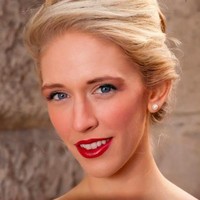
This interview was conducted by Adi Soozin, Vice President of Energy Infrastructure Acquisitions at National Energy Holdings | 5th Gen CRE | International Speaker | 2x Best Selling Author
If you are looking to build your name as an industry titan, we would love to help you. Fill in this application to get started: 9×90.co/apply-now, or start with our emails on bite-sized, high-powered marketing tricks:
[yikes-mailchimp form=”1″]Listen to this episode using your favorite app
⚖️ Legal Disclaimer
All opinions expressed by the guests are their own. 9×90™ and its affiliates do not endorse or guarantee any specific outcomes discussed in this episode. This podcast is for informational and entertainment purposes only and does not constitute financial, legal, or investment advice. Listeners should conduct their own due diligence and consult with professional advisors before making any investment or business decisions. Nothing discussed in this episode constitutes an offer to sell, or a solicitation of an offer to buy, any securities. Any such offer or solicitation will be made only through official offering documents and to qualified, accredited investors, in accordance with applicable securities laws. The views expressed by guests are their own and do not necessarily reflect those of the host or 9×90™.
Come on the show
Fill in this application to apply to come on the 9×90™ show: https://9×90.co/apply-now/
Would You Like to Watch Another Episode? Yes, of course you would ⬇️⬇️⬇️⬇️⬇️⬇️⬇️⬇️⬇️⬇️⬇️