#62 From Dead Crypto Mines to Tier 4 Hubs: The $3.2B Masterclass in Energy Arbitrage and Data Center Domination
Listen to this episode using your favorite app


⚖️ Legal Disclaimer
All opinions expressed by the guests are their own. 9×90™ and its affiliates do not endorse or guarantee any specific outcomes discussed in this episode. This podcast is for informational and entertainment purposes only and does not constitute financial, legal, or investment advice. Listeners should conduct their own due diligence and consult with professional advisors before making any investment or business decisions. Nothing discussed in this episode constitutes an offer to sell, or a solicitation of an offer to buy, any securities. Any such offer or solicitation will be made only through official offering documents and to qualified, accredited investors, in accordance with applicable securities laws. The views expressed by guests are their own and do not necessarily reflect those of the host or 9×90™.
About this episode
In this episode of 9×90™, host Adi Soozin sits down with commercial real estate titan Benjamin Callis to unpack his staggering $3.2 billion pipeline and his ruthless strategy for dominating the data center arms race.
Callis reveals how he is weaponizing traditional real estate assets to bankroll cutting-edge Sovereign technology R&D, transforming dead crypto-mining facilities into hyper-efficient Tier 4 hubs through advanced mathematics and power optimization.
Beyond navigating the complex financial hurdles of AI off-taker creditworthiness and the absolute necessity of elite utility partnerships, Callis shares his philosophy on community-conscious development and drops a massive revelation about his latest endeavor: architecting what is intended to be the tallest building in Las Vegas directly above the Casino Royale.
A special thank you to our sponsor, National Energy Holdings . For the empire builders and developers looking to execute on this exact strategy, National Energy Holdings is the premier firm engineering, constructing, and operating energy infrastructure for commercial real estate. By utilizing highly profitable 80/20 revenue-share models over 25-year terms, they navigate the technical complexities so you can instantly transform your existing physical footprint into a high-yield energy asset without the standard operational friction.
About this guest
- The $3.2 Billion Deal Flow: In just the last year alone, Benjamin closed a staggering $3.5 billion in deals in 2025, and he now has another $3.2 billion in his active pipeline. He is operating at a financial scale that rivals institutional giants.
- Architecting the Las Vegas Skyline: He isn’t just building data centers; he is executing a massive real estate development directly over the Casino Royale in Las Vegas. His ambitious goal? To construct what will become the absolute tallest building in the entire city.
- The 10x Energy Alchemist: He executes a brilliant arbitrage strategy by acquiring dead Bitcoin mining facilities and repurposing them into elite Tier 4 data centers. By leveraging advanced mathematics and cutting-edge software, he is able to optimize energy output so efficiently that he can achieve the compute equivalent of 500 megawatts using only 50 megawatts of actual power input.
Connect with this guest
Connect with Benjamin Callis on LinkedIn: https://www.linkedin.com/in/benjamincallis/
Thank You to Our Sponsor

National Energy Holdings™
National Energy Holdings’ subsidiaries serve the entire energy market, from distribution and fulfillment of our powerful solar and storage technologies, to our lu®crative financing solutions of our own energy fund, we are advancing renewable energy by creating investment opportunities throughout the entire green energy ecosystem.
Show Notes Generated by Gemini
These show notes were generated by AI
- Podcast Introduction and Business Performance: Adi Soozin introduces the episode and guest Benjamin Callis. Benjamin Callis reports closing 2.5 billion in deals during the previous year and currently has 3.2 billion in the pipeline (00:00:00).
- Partnership with National Energy Holdings: Adi Soozin acknowledges National Energy Holdings as a show sponsor, noting their role in assisting with energy procurement, construction, and operations for data centers. Following recent news regarding Texas requiring data centers to find behind-the-meter solutions, National Energy Holdings has been assisting stakeholders with interconnection needs (00:00:56).
- Sovereign.1 R&D Data Center: Benjamin Callis details a current project called Sovereign.1, an R&D data center located in the Miami area. The facility focuses on investing in early-stage technology and compute solutions to maintain competitiveness (00:01:50).
- Career Transition to Real Estate: Benjamin Callis describes his career path, starting with flipping houses to pay for college, followed by over a decade in software, and eventually transitioning into commercial real estate and data centers two and a half years ago while identifying sites with excess power capacity (00:02:53).
- Philanthropic Origins: The transition into the data center space was initiated through philanthropic work involving a recidivism and re-entry program for formerly incarcerated individuals in Los Angeles, where Benjamin Callis met key partners now involved in his business (00:03:48).
- Data Center Repositioning: Benjamin Callis discusses the strategy of repurposing Bitcoin mining facilities into Tier 4 data centers. He prefers projects under 50 megawatts, as he believes software solutions can optimize energy output to achieve the equivalent of 500 megawatts with the same power input (00:04:50).
- Advanced Mathematics and Hardware Optimization: Benjamin Callis and Adi Soozin discuss the reliance on mathematics to solve compute limitations. Benjamin Callis supports various collectives working on high-level compression and low-latency communications, noting the challenge of testing these innovations in commercial environments like an Oracle-scale data center (00:05:57).
- Financial Backstopping for Innovation: To fund high-risk technology, Benjamin Callis uses commercial real estate assets as an anchor. By developing profitable data center infrastructure, he can provide a reliable financial return, allowing for the sub-allocation of capital into riskier R&D projects (00:08:43).
- The Necessity of Power Expertise: Benjamin Callis emphasizes that understanding electricity, including switch gear and electrical distribution, is a mandatory requirement for data center development. He highlights the value of hiring experts with decades of experience in power, such as those from National Energy Holdings or individuals with nuclear power experience (00:10:53) (00:15:40).
- Creditworthiness of Offtakers: Adi Soozin and Benjamin Callis agree that the primary risk to data center viability is the financial stability of the offtaker. They note that while AI software companies may be interested in space, those without established credit are risky partners compared to banks, hospitals, or universities (00:13:01).
- Community and Economic Impact: Benjamin Callis incorporates economic development and revenue-sharing models with local municipalities into his projects. These programs direct revenue to underfunded community initiatives, which fosters relationships with local mayors and counties and facilitates permitting and utility support (00:18:07).
- Electricity Costs and Grid Access: Benjamin Callis notes that data centers under 50 megawatts often do not receive wholesale pricing, resulting in rates of 11 to 12 cents per kilowatt hour in states like Florida. He advises that 25 megawatts is a key threshold for immediate grid connection in many states, while higher capacities require more complex power sourcing (00:20:52).
- Regional Energy Opportunities: Adi Soozin and Benjamin Callis discuss potential low-cost energy markets. Adi Soozin suggests investigating Kentucky, Tennessee, and South Carolina, where electricity rates may be as low as 2 to 3 cents per kilowatt hour, while Benjamin Callis mentions activity in Pennsylvania (00:22:23).
- Edge Compute Risks: Regarding decentralized, micro data center plays, Benjamin Callis points out the risks of latency and maintenance difficulties. He suggests that large, centralized facilities are currently easier to manage and orchestrate than many decentralized nodes, which may face diminishing returns due to hardware failure and communication complexities (00:24:55) (00:27:50).
- Call for R&D Support: Benjamin Callis encourages the audience to support R&D and smaller innovative companies. He argues that backing independent innovation is necessary to prevent total market consolidation by a few large entities (00:29:42).
- Advice for New Developers: Benjamin Callis advises new developers to prioritize securing partners with deep utility expertise. He suggests starting with smaller projects, such as 25 megawatts, to gain experience before attempting massive, multi-gigawatt developments (00:31:28).
- Upcoming Appearances: Benjamin Callis confirms he will participate in an online event on October 1st regarding eco-conscious and community-conscious data centers (00:34:42) (00:36:11).
- Las Vegas Real Estate Development: Benjamin Callis reveals he is working on a project in Las Vegas, located over the Casino Royale. This development is intended to become the tallest building in the city (00:36:11) (00:38:32).
Thank You to Our Sponsor
National Energy Holdings™
National Energy Holdings’ subsidiaries serve the entire energy market, from distribution and fulfillment of our powerful solar and storage technologies, to our lu®crative financing solutions of our own energy fund, we are advancing renewable energy by creating investment opportunities throughout the entire green energy ecosystem.
Transcript
This transcription was generated by Gemini & edited by ChatGPT
00:00:00
Adi Soozin: Ladies and gentlemen, welcome to another episode of 9×90. Today you are in for a very special treat because you are meeting one of my favorite humans on the planet, the Benjamin Callis. When he walks in rooms, men swarm, women fate. And here he is. Say hi.
Benjamin Callis: It’s good to be here.
Adi Soozin: He has what? Making you blush.
Benjamin Callis: Thank
Adi Soozin: That’s a first. Okay. So he has last year he did more than three billion. 3.5 billion,
Benjamin Callis: Yeah. Last year was was 1.5 billion.
Adi Soozin: right?
Benjamin Callis: Yeah.
Adi Soozin: No, I thought this year was 1.5 billion. There’s too many billions.
Benjamin Callis: Now it’s 1.5. Yeah, we got another We got another 3.2 in the
Adi Soozin: Okay.
Benjamin Callis: pipeline.
Adi Soozin: 3.2 billion in the pipeline. And you did 3.5 billion in deals last year.
Benjamin Callis: 2.5.
Adi Soozin: 2.5.
Benjamin Callis: There you go.
Adi Soozin: There’s so many billions.
Benjamin Callis: I like it. I might have been I It’s like It’s all over the place, but yeah, it’s a lot of
00:00:56
Adi Soozin: Okay. Lot lots of billions.
Benjamin Callis: bees.
Adi Soozin: He’s playing above the billion dollar level. So, um, my godfather would be very proud of you because he doesn’t do anything below three billion. But let’s dive into your favorite projects. But first, we have to say thank you. Big shout out to our sponsor, National Energy Holdings. Yeah. You got to meet them on Monday,
Benjamin Callis: Yeah.
Adi Soozin: right?
Benjamin Callis: Yeah. No, it was great.
Adi Soozin: Yeah.
Benjamin Callis: It was good to hear them and how they’re approaching the the grid and really looking for behind the meter solutions. So, I was really impressed overall.
Adi Soozin: Yeah. So on uh Thursday or Friday of last week, there was a there was news about um Texas forcing all data centers to find behind the meter solutions. And that’s when National Energy Holdings swept in like the hero with a Superman cape and said, “Hey, if you have a data center deal and you’re one of Ad’s friends and you guys need help with interconnection, we’ve got you. We’ve got you covered.” So,
00:01:50
Adi Soozin: we hopped on with all of our data center friends on Monday, did a live Q&A, and now we’re we’re hooking everyone up. Um, if you need energy, procurement, construction, operations, they also own and they have a revenue share options uh for you. If you’re in the data center space, pretty much anything commercial real estate, state side, they are considering some projects overseas, but mainly in the US for now.
Benjamin Callis: make sense
Adi Soozin: So um tell us what has been your favorite project that you have done in your career.
Benjamin Callis: in my career. I think the one that I’m working on right now is probably my favorite.
Adi Soozin: Yes.
Benjamin Callis: Yeah.
Adi Soozin: What is
Benjamin Callis: So, it’s a So,
Adi Soozin: it?
Benjamin Callis: we are doing an R it’s an R&D data center in Miami area.
Adi Soozin: Okay.
Benjamin Callis: Say Miami area for now.
Adi Soozin: Yeah.
Benjamin Callis: to kind of keep it low-key. It’s called Sovereign.1. Uh the purpose of that facility is to be investing in early stage um uh technology and compute uh solutions so we can be going to where the puck is and not where it currently is now.
00:02:53
Benjamin Callis: And so we’ve got a lot of brilliant individuals in there working on some pretty uh pretty amazing stuff that will help us stay competitive as we go into the the years and decades
Adi Soozin: So I feel like we should probably take people back to how this bromance started.
Benjamin Callis: forward.
Adi Soozin: You built a software company and you exited and I also built a software company but I did not exit. So both of us had the software background before we came into real estate. How did you make that
Benjamin Callis: That’s right. So,
Adi Soozin: transition?
Benjamin Callis: it it’s funny. And so I I started out early flipping houses to pay for college, you know,
Adi Soozin: No
Benjamin Callis: and then got Yeah. So So I had a little bit of exposure in that way, not not to the extent,
Adi Soozin: way.
Benjamin Callis: you know, not at all to the level of like commercial real estate and stuff like that, but it’s, you know, that was a really good kind of tow dip in the water. And then in software, uh, spent, you know, over a decade in software building really large enterprise apps and, uh, eventually my own startup like you mentioned.
00:03:48
Benjamin Callis: And then the transition into data centers and real estate like commercial real estate happened about two and a half years ago as we were looking to do these we still have these very large you know 300 megawws to you know over a gigawatt developments. um we started really taking a hard look at where the excess power is and that’s what got that’s what rugged me into the commercial real estate side of things where you know now we’re looking at a lot of repositioning projects and how we can do that you know so I kind of was pulled into it in a way a little bit more abstract and not predictable but here that’s
Adi Soozin: You were on the impact investing side though first.
Benjamin Callis: right yep yeah so this so this particular why I got pulled into data center is because of uh we were working on a uh it’s called recetivism, which is a re-entry program for people that have been in prison, that are coming out of prison. And so we I met a lot of these the folks that I’m working with now uh because we were working on a philanthropic project together uh in LA actually and and here we are, you know, almost three years later doing it.
00:04:50
Benjamin Callis: So
Adi Soozin: Oh, very cool.
Benjamin Callis: interesting.
Adi Soozin: So, with your data center repositionings that you’re doing now, how many of them are like they were Bitcoin mining facilities, tier one, now you’re bringing them up to tier four?
Benjamin Callis: Yeah, there we have a So there is one that I’m looking at right now that it’s really large on grid power solution that was previously a Bitcoin operation. That one would be it’s when I say large I mean it’s you know almost two gawatts.
Adi Soozin: Okay.
Benjamin Callis: It’s very very very big and um that’s a little bit outside where I like to focus. I love the 50 megawatts and under personally, you know,
Adi Soozin: Why?
Benjamin Callis: that’s because I I feel like with the mathematics solutions that we’ve got, software solutions that we’re working on right now could take that 50 megawws, you know, and turn into 500 megawatts, you know, with the same energy input. So it’s uh it’s all about you know what it comes down to really if you want to think about and and uh the simplest way to think about it is that we’ve hit we’ve hit a wall essentially on how much silicon can do how much it can process you know and really the only way to get past that to to achieve more compute is going to be through mathematics right and uh Now, You know what I’m talking about probably if you thought really hard.
00:05:57
Adi Soozin: Yeah.
Benjamin Callis: There’s several people in the WhatsApp group that are working on this that we’re big fans of and have been, you know, really championing them.
Adi Soozin: Oh, yeah.
Benjamin Callis: Was that Yeah.
Adi Soozin: Adam. Okay. Yeah, they saw the math on that.
Benjamin Callis: Yeah.
Adi Soozin: Let’s dive down that rabbit hole for a second. I was going to keep it high level with commercial real estate, but let’s dive down that rabbit hole. So they said they solved the math on it,
Benjamin Callis: All right.
Adi Soozin: but they also pitched me, what was it like a year ago? They pitched me November of last year and I had a lot of faith in this because they had found a way to use a virtual box to do quantum computing, right? So that was super cool. And then I like go jumping between my real estate brain and my software brain,
Benjamin Callis: Right.
Adi Soozin: I was like that’s amazing if they can do that much compute and not have to change like the square footage of the space they need.
00:06:45
Adi Soozin: But then when I spoke to them in April or May, they hadn’t really made any progress on it.
Benjamin Callis: Thank you.
Adi Soozin: What do you
Benjamin Callis: Yeah. No,
Adi Soozin: think?
Benjamin Callis: it’s uh so it’s not only is it really challenging what they’ve done, you really got to look at it like Adam has and that team has from everything from you’ve got the the hardware itself like H100, let’s say, uh that’s doing all of its uh computation, but then you also have the racking, you’ve got the communication in between the systems and memory and all the other things. And so what what they’ve done and I’m a big believer in is that they’ve actually been able to uh curate out lots of different uh let’s call them companies or collectives right brilliant minds that are working on say hey if it’s uh low latency coms great or if it’s going to be you know really high levels of compression on memory and they’ve done that and so that’s really where they’ve been spending most their time but to your point like uh you know you know Adam and the DTR team we’ve got several other like brilliant collectives that they hit a wall because they’ve got to go deploy these things in on the in a commercial environment.
00:07:51
Benjamin Callis: That’s a really big challenge when a rack is going to cost me 44 million bucks, right? Go then I’ve got to go, you know,
Adi Soozin: Yeah.
Benjamin Callis: pull the facility together, get the power, etc. if I wanted to do that and uh which we are which we that’s what we’re doing with sovereign.1 uh because we we realized that the the DTR team plus others needed the opportunity to really go and test this stuff in a commercial environment which is really challenging to find. You can’t go knock on Oracle’s door and say hey I’ve got some cool math. Can I use $44 million worth of racks? You know it doesn’t it doesn’t work like that. So they have to have uh big believers in them like we are and the weester team is another one with their room temperature
Adi Soozin: Yeah.
Benjamin Callis: quantum stuff and we’re pushing away over
Adi Soozin: Yeah. Although you don’t just need believers.
Benjamin Callis: here.
Adi Soozin: Like with with software, you have too many blind believers that jump in and then they lose all their money.
00:08:43
Adi Soozin: like a Russian roulette in Las Vegas. Like you you have to understand the math behind it to appreciate the math and to be able to know when you can push those the the software engineers forward because they would love to spend forever debugging code and you have to know when it’s okay to just launch the like push the software to production and have some bugs that you’re going to fix along the way. So that is something where they do need someone like you in their corner.
Benjamin Callis: Yeah, I’ve made that mistake as a software engineer trying to make make it perfect before deploying it, you know. And and it it you you mentioned something right there in that statement though that brings us back to the commercial real estate.
Adi Soozin: Yeah.
Benjamin Callis: I’ll bring it all the way back around which is if we’ve got you inherently in the in the world of investing VCs PE however you want to say it that the category I just spoke on that you were mentioning as well is high risk that we it’s just seen as prereev high risk it’s going to be difficult to invest in without being in extractive terms let’s say well what we’ve done is said you want to know what
00:09:44
Adi Soozin: Mhm.
Benjamin Callis: if we took a commercial property like the one we’re working on in near Miami is 275,000 ft we got 8 megawatt cuts today. We can take it to 50, no problem. Drop a substation, we’re at 500 over the course of a few years. Well, the financial model because it that in itself if we just went barebones data center as usual is a multi-billion dollar asset, right? We know that we can get it there as we’re starting to produce revenue over time, which is great. But so because of that, we can backs stop the investment into risky or quoteunquote risky tech, right? So using an anchor with a data center uh inside of it as the back stop for investors to pull down extra capital which we’ve done and um and that was really what changed all the tech
Adi Soozin: Uhoh.
Benjamin Callis: down. None of it works. You’re still going to get a 2x return on your money, you know. So that took some it was challenging.
Adi Soozin: Yeah. I I think that’s where um that’s where innovators actually get to play is you you see these kids come out of college and they’re like, “Oh, I want to build this and I want to build that and no one will fund my dreams.” And it’s like,
00:10:53
Adi Soozin: no, you have to go learn the finance. You have to go learn how to run a business. You have to make something so freaking profitable that you can afford to fund your own R&D department. And then once you once you figure that out, then you can start playing around and innovating. But until you figure out how to capitalize and protect investors money and get them a return, you’re not going to have the budget to just play around and test if things work. So how many of these data center projects do you do you come across where the energy infrastructure is not exactly what you need and you have to add more?
Benjamin Callis: every one of them.
Adi Soozin: Good. So, we will spend this next year with bonding at every one of your
Benjamin Callis: And it’s one of those things where you know it and you and you were and you like we both are familiar with this.
Adi Soozin: sites.
Benjamin Callis: You’ve been in the data center space for a while. There’s a lot of people say, “Hey, I’ve I’ve got a you know a gigawatt behind the fence power ready to go.” and you actually get out there and it’s uh well no you’ve got
Thank You to Our Sponsor
National Energy Holdings™
National Energy Holdings’ subsidiaries serve the entire energy market, from distribution and fulfillment of our powerful solar and storage technologies, to our lu®crative financing solutions of our own energy fund, we are advancing renewable energy by creating investment opportunities throughout the entire green energy ecosystem.
00:11:52
Benjamin Callis: big gas lines running through the property but you know it’s that’s a totally different thing Right. And so I think the world of this because it is in my opinion where you see the most amount of money on the sidelines.
Adi Soozin: Yeah.
Benjamin Callis: There’s, you know, hundreds of billions of dollars that’s not moving as quick as what you would expect from the outside, right? But once you really kind of peel it back, you recognize that this that capital’s looking to your point, they’re looking for they’re looking for clarity and they’re looking for confidence, right? the clarity and what are you guys spending my money on and why am I going to should I be confident in your team to be able to execute on on your road map right do you guys understand the business model the financial models of these data centers and what could go wrong as software people we understand that you know eventually you’ve got this bell curve right that’s going to happen in the industry and eventually a lot of these things are going to start being commoditized essentially and we have to be prepared for that you know these are these are billion-dollar builds and so we need to be work making sure they’re backwards compatible if possible uh definitely should be a discussion point certainly you know as we don’t want them to be disrupted in the future and that brings in lots of complexity and so you I think it’s kind of calmed down a little bit
00:13:01
Benjamin Callis: but I’d say almost every single project I looked at earlier this year Q1 and last year were were certainly going to to need a lot of work I’ve looked at one project that did have truly 800 megawatts behind the fence that we just needed to start dropping modules in on but that’s and really rare.
Adi Soozin: Yeah,
Benjamin Callis: Yeah.
Adi Soozin: I in the data center space,
Benjamin Callis: And
Adi Soozin: I think the the bubble that we’re going to see burst isn’t going to be because of like the tier three,
Benjamin Callis: bounce
Adi Soozin: tier four that have like government contracts or they’re with a bank, a university, a hospital. it. The ones we’re going to see burst are the ones where like it was all these AI software companies that people were trying to spin up and then they were the offtaker and those companies go under and then they have no offetaker for these buildings.
Benjamin Callis: Yeah. Yeah. I wouldn’t disagree with that. You know,
Adi Soozin: Like do you do you
Benjamin Callis: so the credit that partner is going to be a big part of it as you go to look at any kind of uh bank financing
00:13:55
Adi Soozin: remember
Benjamin Callis: or traditional financing. I mean, these things are bankable once you once you get all the way to an offtaker agreement and you’ve got the power secured. They’re easy pretty easy to finance, but they’re going to be looking at the creditworthiness of those off takers.
Adi Soozin: that’s that’s the biggest thing you just hit the nail on the head. It’s the creditworthiness of the offtaker. It’s h is that business actually going to stay in business for the next 20 years?
Benjamin Callis: Really?
Adi Soozin: because I know a bank is. I know a hospital is. I also know that their CTO’s aren’t looking for the latest tech. They’re looking for the greatest reliability. So, they’re not going to need me to be updating and buying the latest GPUs every single second. So,
Benjamin Callis: Right.
Adi Soozin: there it’s just more stability there. Um you you and I were speaking off the record off offline off the show about that one um data center startup that had zero track record. They wanted me to bring in 55 million per megawatt for them to develop.
00:14:54
Adi Soozin: And they were like, “Oh, we’re going to get 17 million per megawatt for per year from our offtakers. And I was like, “Wow, who are your offtakers?” And they were like, “Oh, you have to get them for us.” I was like, “Then you can’t put in a proforma that you’re getting way above market value for your your offtaker if you don’t have
Benjamin Callis: Right. Yeah. I mean,
Adi Soozin: one.
Benjamin Callis: that’s and that’s really the hard part I think about anybody getting into the space is recognizing it’s a longtail deal, right? you you’re getting in especially if you’re doing site selection early on and then getting the site prepped and ready to go with PPAs and all your different licenses and agreements you have to have and then you go and find some offtakers for this once it’s ready to go then you got to go find offtakers and that’s a long you know that’s a multi-year process and a lot of people don’t realize that when they’re getting into the space that you’re really going to have to learn it well it’s not just about handing off projects you know you’ve got to get in it and
00:15:40
Adi Soozin: Yeah.
Benjamin Callis: and figure it out and I think that’s where we’ll see the most success on the on those that are putting projects together is just being willing to say hey I’m going invest, you know, years of my life into building these things and really understand the
Adi Soozin: Yeah. And that that’s that takes us back to the energy infrastructure part.
Benjamin Callis: space.
Adi Soozin: Um there have been so many data center pitches where I asked them, they were like, “Oh yeah, we’re gonna be tier four.” And I was like, “Okay, where where are your two energy points coming in from?” Because and they’re like, “Oh, we need two separate ones from separate sides.” And I was like, “Yes, yes, you do.” Like who on your team knows what a tier four data center is and the requirements?
Benjamin Callis: All right.
Adi Soozin: Like that’s where you have to pull pull energy partners in like uh National Energy Holdings where they’ve been in for 20 years and they can look at your site map and in 4 seconds say we’ll do this this this now you’re done you can go do your
00:16:31
Benjamin Callis: Yeah, that’s really a critical part that I learned the hard way to be honest.
Adi Soozin: part
Benjamin Callis: And so NEH is a bit is a great um example of that. They’ve got guys on their team that have been doing it. I haven’t met them, but it sounds like I’ve been doing it for over 20 years, which similar on our side, you know, it wasn’t I didn’t realize how much I didn’t know about electricity until I got guys that, you know, had been doing it for 35 years and and they’re the I was able to pull them from going and recommissioning ThreeMile Island to come work with me and I realized how much I mean how much I just didn’t know about the switch gear, electrical distribution, all these things that need to happen for these really sophisticated sites. And so to echo your point,
Adi Soozin: Yeah.
Benjamin Callis: you really got to get guys that know what they’re doing when it comes to the just, you know, power in general.
Adi Soozin: the energy side of
Benjamin Callis: Yeah. Because there’s lots there.
00:17:15
Benjamin Callis: Even if you did have redundancy,
Adi Soozin: things.
Benjamin Callis: you know, what’s the latency? What’s the switch? But how long is it going to take between switching from this substation to that substation? Let’s say you got dual feeds. That’s great. Love that. This one goes down. How fast can you switch over? I mean,
Adi Soozin: Yeah,
Benjamin Callis: that thing cannot the delay can it need to be almost instantaneous. You know, those things like that I learned I just didn’t know before.
Adi Soozin: I know.
Benjamin Callis: And so they would geek out all the different types of switch gear and stuff like that. And and so I’ve been drinking from the fire hose a lot in that regard. Definitely not a power professional, you know, like they are, but it’s good to have them on your team if you’re going to be in the space. It’s it’s it’s it’s like a requirement, you know.
Adi Soozin: Um yeah. Who who else have you seen have been like key key strategic partners for you because like there’s that whole like cancer concern now but then there’s data showing that it’s actually data centers aren’t causing uh cancer.
00:18:07
Adi Soozin: It’s um it’s one of the types of energy sources that’s used. Like who else would you say do you rely on to have your data center projects come like just be all-star
Benjamin Callis: Yeah.
Adi Soozin: winners?
Benjamin Callis: So, a big part of it we we always lead with the economic development and community development within that municipality. So, we’re usually in early conversations with them because of the way that we do the the revenue share and the profit modeling. We want to this is this is really the impact side for me part I get excited about is how can we be driving revenue back to underfunded programs within a community you know let’s say we’re working within a county how do
Adi Soozin: Yeah.
Benjamin Callis: we work with the county with the mayor etc so we can uh be pushing that additional revenue stream to them because we’ll always do this take a little a percentage of the revenue push it into that into the counties for under underfunded programs and for economic development opportunities and so that that’s me that’s a really big partner right way, you know, letting them know that you’re coming in, you want to create jobs.
00:19:05
Benjamin Callis: These things don’t really create jobs. They don’t, you know, they I mean, sure, you’ve got, you know, you got your smart hands that are on site, people that do the construction and other aspects of it, but once they’re running, you know, relative to manufacturing, other jobs, it’s not it’s not going to be the same. So, we’ve really leaned in hard with the county to figure out, okay, well, if this isn’t going to be creating jobs, then can it create a revenue stream that you can rely on, and how do we go identify the other economic development opportunities for your for your county, right? And so I’d say that’s part that’s certainly up there because it makes it easier to work with the power company. It makes it easier to work for per permitting and all these other things and you’re really going forward and trying to to help uh be a solution in the community. Even if it’s not onetoone jobs, there’s other things that can create jobs. Now that’s different in Florida. What we’re doing there is a full-blown, you know, take it from idea to proof of concept, commercialization, then manufacturing all within that same county.
00:19:57
Benjamin Callis: That’s a totally different story. But, uh, generally speaking, getting working with the county and and recognizing, you know, trying to build those relationships and that’s a great way to do it is looking at how you can f help support the community through, you know, revenue or other aspects. I’d say that’s probably up there as like the number one. Yeah.
Adi Soozin: Do how many of your data center projects um out of the billions that you’ve worked on last year, this year, are in states where you’re noticing the price per kilowatt hour is above 10 to 12 cents? versus
Benjamin Callis: So, I’d say we’ve had a few states. Florida is a good is a good example of that.
Adi Soozin: below.
Benjamin Callis: If you’re under the 50 megawatt threshold, you’re going to hit that 11 to 12 cent mark. You’re not getting the wholesale pricing on that. So, we’ve done that quite a bit in Florida. Uh California is also very similar, but that that’s a the deal we’re working on out there is a it’s an old Kaiser mine, so it comes with federal licensing, preWorld War II permitting on our power.
00:20:52
Benjamin Callis: So, that’s a totally different thing. If we didn’t have that, then we would certainly be tapping into them higher prices there. Once again, you’re not going to hit that wholesale pricing. Uh New York with their EO I think it’s EO62 uh stuff they’ve had released out there recently. We I haven’t done I haven’t commissioned one yet in New York, so I can’t really speak to that where the how it actually would pencil out. Although we are consulting with a few, you know, but I’d say Florida is the one that we’ve, you know, we’re in that 11 to 12 range depending on what county you’re in. and and you’re going to have to be over the 50 megawatts, which in uh in most states,
Adi Soozin: Yeah.
Benjamin Callis: if you’re 25 and under, they’ll pretty much connect you right away. Surprisingly, I’m giving your I’m giving all listeners a nugget right now, which is if you are 25 megawatts and under on a power company, they’ll pretty much connect you almost instantly.
Adi Soozin: And then if you’re 26 megawatts or above, you have to bring your own
Thank You to Our Sponsor
National Energy Holdings™
National Energy Holdings’ subsidiaries serve the entire energy market, from distribution and fulfillment of our powerful solar and storage technologies, to our lu®crative financing solutions of our own energy fund, we are advancing renewable energy by creating investment opportunities throughout the entire green energy ecosystem.
00:21:40
Benjamin Callis: No, you Well, so in like places like Texas, I’d be curious to know.
Adi Soozin: power.
Benjamin Callis: I don’t know how this I haven’t pressure tested that in Texas itself, so I would like to know where they’re at there. Um, yeah. I don’t know. Yeah, I know. Yeah, if you’re if you can bring your own power, great. That’s hard to do. You know, you can you can integrate I think with any age what they’re doing, which I like. They’ve got the best systems which are important. Obviously, you got to have those solar plus they’re able to do your micro grid concept. And then really bringing in grid where there is grid availability, but bring it in at a lower rate, right? So that way you’re you’re not tapping into that threshold where you’re you’re paying more because you you were at peak utilization times, right? That’s going to be tricky.
Adi Soozin: Yeah.
Benjamin Callis: That’s like kind of how you got to navigate that which anyh does pretty well from looking at
00:22:23
Adi Soozin: Yeah.
Benjamin Callis: the Yeah,
Adi Soozin: Badass, right?
Benjamin Callis: it’s important. It’s important to keep that to keep that price down, you
Adi Soozin: And then I was speaking with someone earlier today who was talking about how in Kentucky the
Benjamin Callis: know.
Adi Soozin: price per kilowatt hour is like three to four cents. Why don’t we see more data centers popping up
Benjamin Callis: I don’t know.
Adi Soozin: there?
Benjamin Callis: I I’ll find out though. I’d like to know more. I know. Uh I’m about to call him right now.
Adi Soozin: Pause the podcast. Go make your phone call.
Benjamin Callis: Yeah. I don’t I don’t know. I I haven’t done any work with them, you know, so I I would assume that that will be the case or it already is. You know, they might already have a bunch of people that have submitted deals and projects to them. I know Pennsylvania, that’s where I’m at right now. It’s a really booming place as well. Although the power was out at my house last night for most of the night, so I had my generator was running.
00:23:15
Benjamin Callis: So I don’t know. That happens all the time here on this part of the
Adi Soozin: one of one of my friends who was on the show uh right right before your episode,
Benjamin Callis: town.
Adi Soozin: he uh is doing uh a he’s doing an oil and gas deal in Pennsylvania with a really really competitive rate for the fuel source. So, I could hook you up if you’re doing a data center in uh in Pennsylvania.
Benjamin Callis: All right.
Adi Soozin: You have a good a good energy source there.
Benjamin Callis: Think Yeah,
Adi Soozin: Really cheap.
Benjamin Callis: I’ll take it.
Adi Soozin: Um because I also heard that I was wondering why people were like obsessed with Tennessee and apparently they have the same thing. It’s like in obscenely cheap. And then we have people who are saying, “Oh, you have to build data centers outside of the US because we can get it below 8 cents per kilowatt hour and I’m like but in Kentucky and Tennessee V um not Virginia Kentucky, Tennessee and South Carolina is it third state where you you can get energy at 2 to 3 cents per kilowatt
00:24:10
Benjamin Callis: So you’re you’re you’re tapping into a really important point which it kind of brings me back to the math,
Adi Soozin: hour
Benjamin Callis: right? If we’re able to if I can say 1 kilowatt in worth of compute equals 100 kilowatts of compute capacity going out then I’m I’m less concerned about the price per kilowatt and I’m more concerned about what we can be doing on the hardware itself. Is it a big bet? I think at this point, you know, we’re feeling really confident in what’s in what we can do on the hardware itself because now we can say great, if we do know that most states are willing to or most municipalities are willing to say, hey, you know, here’s 25 megawatts and under, and you know just as well as I do, how many commercial properties are out there that have in excess of 10 megawatts, eight, you know, that could that wouldn’t mind a little bit of a revenue uplift. you know that’s uh that becomes a really compelling narrative as you’re going and trying to do you know uh
00:24:55
Adi Soozin: Yeah.
Benjamin Callis: truly edge compute brings a lot of complexity obviously on the orchestration of those and how they can work together but you know that’s that’s our that’s our goal there is really take whatever if we can get eight to 15 megawatts perfect you know and really hone in on what the what’s going on on the hardware itself but um you know that’s really kind of where our position is go that’s where it
Adi Soozin: What do you see as the risk with um edge compute? Because you don’t like when you have a huge data center, you’re going to have like the best security detail that’s walking around there at all times. But when you’re taking these micro data centers and you’re doing this micro decentralized data center play um where you’re only putting like a few a few GPUs in tucked into a building, how are you protecting the data that’s on those without attracting attention to
Benjamin Callis: Right.
Adi Soozin: it?
Benjamin Callis: So it it there’s a that’s certainly a lot of complexity around just the coms. So you’ve got latency.
00:25:55
Benjamin Callis: If I’m let’s say you and I are GPU,
Adi Soozin: Yeah.
Benjamin Callis: you’re you’re processing whatever you’re doing. I’m over there down the street a few miles, that latency needs to be taken into consideration certainly. But then you got scalability issues. Does it get to a point of diminishing returns where if it’s like I’ve got um you know 100 kilowatt compute over here potentially and it’s decentralized all over the city. Well, how often is that hardware failing? Are we rolling trucks out? you know, how vulnerable it is it to the comm’s aspect of it. You know, do have we really thought through the the packet transfer within the within the low-level itself. So, you got you got to start considering a lot of those things. And I I do think it there is a point of diminishing returns in my opinion. I mean, I haven’t ever really sat down with a group of experts to talk about it, but just on this year, you know, it would get to a point where if you’re rolling out the human element to replace hardware or try to figure out, you know, just like Comcast or any other providers, and that presents a lot of challenges that I wonder, you know, at what point is it not does it become just too decentralized, right?
00:26:55
Adi Soozin: Yes, there were some data centers that were blown up in February and I had to put together the business plan in May for them to have three gigawatts of decentralized data centers. We’re not going to say which country it was for. You and I were talking about that offline, but that the latency thing was their biggest that was the biggest thing we were having to calculate for is like how how many GPUs do we have to put in a specific location and have dedicated just to these purposes so that we don’t have this latency issue because yes, we want to have um everything decentralized so that if something’s blown up, there’s there are duplicates um in other places, but at the same time, we can’t have it so decentralized that It takes 45 minutes to render information because it’s having to ping across the entire
Benjamin Callis: Yeah. Yep. There’s that. And then there’s, you know, if I’m if you’re doing large language model training,
Adi Soozin: nation.
Benjamin Callis: you know, on a big, you know, let’s say, let’s just say we’re going to go with the status quo, right?
00:27:50
Benjamin Callis: As it stands right now, and not what other people are working on, then you’ve got the latency between as as you’re processing that big model, right? So you want to keep everything on on the same as close or really as reduce the latency as much as possible. And that’s why you see these big facilities that are operating like that. But then also to your point, it’s easier to just do one big site colllocate, you know, or if you’re going to do a hybrid model, you’re going to, you know,
Adi Soozin: Okay.
Benjamin Callis: you’re going to own or operate and you’re going to bring in triple net lease and colllocate. There’s all kinds of different ways you can do it, but having one facility with one switch gear with one power distribution system with one vest, all those things becomes a really that that at the moment has just been the easiest way to do it. Then trying to replicate that over, you know, all over the country. Then you’ve got the orchestration layer on top of that. So imagine if you got a bunch of nodes in a city and you’re trying to orchestrate all these little things to happen.
00:28:41
Benjamin Callis: It becomes challenging, right? It’s like doing heart surgery on a plane.
Adi Soozin: is that’s when you have the software engineers wanting to kill the real estate people who are like, “Look, it’s decentralized.” And we’re like, “We
Benjamin Callis: revenue up revenue uplift like come on like you know yeah it’s
Adi Soozin: just
Benjamin Callis: uh you know but it’s uh it’s you know a lot of smart people working on it and I’m obviously the dumbest person in the room on most of those conversations but I’m just trying to hang in there just keep noding my head agreeing with what they’re
Adi Soozin: Yeah, I just have to sometimes I just have to say I’m like just remember I’m the real estate kid and I happened to build an international software company but I am not like your software engineer that should be making your your decisions here on that front.
Benjamin Callis: That’s okay. You got to know your gap. Know your
Adi Soozin: Yeah. Yeah. There’s critical gaps.
Benjamin Callis: gaps.
Adi Soozin: Um Okay, cool. So, if you had any ask or offer for the audience, what would it
00:29:42
Benjamin Callis: ask or offer. I would So the So my biggest thing right now is we’re is focusing on the R&D side of things.
Adi Soozin: be?
Benjamin Callis: You know, we’ve uh we’ll continue to invest in that. I I think that that’s a really good place to uh if so, a couple of things there. One is Do I do I personally feel like that’s a great place for our dollars to be spent? We do. I do. We do as a team because we’re really trying to make sure that our facilities are the best for our clients, right? Going forward. Now, I could say that I could say best we could all like that’s a subjective term, but knowing that we did the best thinking and the best innovation we could within within our own area of influence, right? And then fostering the next level of innovation. So that’s a really big deal for me, you know, is as uh being able to get these kids out coming out of college or maybe coming straight off of, you know, out of a big institution or enterprise.
Thank You to Our Sponsor
National Energy Holdings™
National Energy Holdings’ subsidiaries serve the entire energy market, from distribution and fulfillment of our powerful solar and storage technologies, to our lu®crative financing solutions of our own energy fund, we are advancing renewable energy by creating investment opportunities throughout the entire green energy ecosystem.
00:30:33
Benjamin Callis: Having a place for them to facilitate that those solutions is going to be important as we evolve because otherwise it just the uh consolidation power really comes down to a handful. You can seen Nvidia this week, you know, Palunteer that deal. We got also Nvidia announcing $500 billion backed by your largest institutions, which we would do work with a handful of those as well, right? It’s like, okay, well, that’s a consolidation of of power that’s happening. And so, I think we really need to invest in facilities that can help, you know, these smaller companies thrive as we’ve got great thinking and other other things around it. So that would be my ask audience to keep an eye out for that and you know keep an eye out for just these innovation in innovative solutions and how do we support them as like as a group and a
Adi Soozin: And aside from telling them that they need my energy partner for building their energy
Benjamin Callis: collective.
Adi Soozin: infrastructure, what other advice would you give to data center young data center developers who are coming into the sector?
00:31:28
Benjamin Callis: You got to find like Yeah, like we mentioned earlier, you go find someone that understands power and utility and all of that stuff really really well. It’ll change everything for you when you go and raise capital. If I if I bring my guys on that have they’re responsible for 80% of the nuclear facilities around the world.
Adi Soozin: Yeah.
Benjamin Callis: These guys work. So, they know their stuff. So, when I go to a capital team and say, “Hey, we’re going to get power to a site.” They they have trust and confidence that we can do that and we can give them the clarity in how we’re going to do it. Now,
Adi Soozin: Yeah.
Benjamin Callis: that’s a really unique thing. I you know we I’m I’m grateful to have those guys and honored to be working with them. If you don’t have individuals like that, then you got to go find guys that do. That’s where NE and others come in because they can help draw out that the the blueprint on how to get power to your site that makes sense for your institutional investors or your family offices.
00:32:11
Adi Soozin: Yeah.
Benjamin Callis: Not saying they’re not institutions, but you know what I mean. And um or your you know just getting capital to move,
Adi Soozin: Institutions
Benjamin Callis: giving them confidence and clarity. They’re going to do it. And that’s going to come down to your team. If you’re new, then go get go find the best partners you can to knock down. You know, get the first one under your belt. Go small if you can. You know, you’ll learn a bunch in that. Um instead of trying to, you know, go bite off 500 megawatts. Maybe, you know,
Adi Soozin: Oh my god.
Benjamin Callis: start with 25.
Adi Soozin: Do you remember that?
Benjamin Callis: It’s a lot of power. When you look at a 500 megawatt facility that’s fully like commission, they’re big. It’s a lot of power. Yeah.
Adi Soozin: Okay, so for everyone that just missed what he was cringing about and I was laughing about, in February of this year, there was a brand new data center developer group who had never done a data center before running around saying they were building how big was it?
00:33:05
Adi Soozin: Like 4 gigawatt they they were going to build
Benjamin Callis: There’s lot there’s a lot there’s a lot in their pipeline.
Adi Soozin: a 4 gawatt or something uh data center and they had never built a single data center before.
Benjamin Callis: Yeah.
Adi Soozin: So everyone’s like wow this is amazing and Ben is just in the corner like this cringing and he’s like ad why do you like this project? This is literally like me buying you like the best purebred poodle and you bringing
Benjamin Callis: Heat.
Adi Soozin: home a dumpster stray cat and saying, “Look, I found the best pet ever.” It was just like, “What are you
Benjamin Callis: It’s um you don’t know what you don’t know until you get into it,
Adi Soozin: doing?”
Benjamin Callis: you know, and I like where um and and then we saw this early on in this space. I mean, last year was a big year. Lots of people talk hitting the drum on they’ve got power and this that because there’s a lot of money in this space, right? Anytime there’s lots of money and noise, you got to look for like,
00:33:54
Adi Soozin: Yeah.
Benjamin Callis: okay, well, everybody’s gathering over here. Where is no one? What are people not focused on? And uh and that’s kind of ourselves is like really focusing on not not the noise and the and
Adi Soozin: Yeah.
Benjamin Callis: all the the the hype that’s going on in the space. We’re really focusing on how do you do the build these things in a responsible way. And um that’s worked out so far really great. You know, we’ve learned a lot. I’m still learning a ton. You know, I’ve probably even messed up things on this call, I’m sure. But you know, it’s okay, right? It’s like just get people that are willing to help you out.
Adi Soozin: Yeah. All right.
Benjamin Callis: Yeah.
Adi Soozin: So, are you going to come to our what is it called? It’s the data center. Let me read this off. Uh the future of eco-conscious community conscious data centers talk. It’s on October 1st. Are you coming to that for people to ask you questions?
00:34:42
Benjamin Callis: Happy to come to it. Where is it going to be?
Adi Soozin: It’s online. So,
Benjamin Callis: Oh,
Adi Soozin: you could be anywhere,
Benjamin Callis: yeah. Yeah,
Adi Soozin: just not fly.
Benjamin Callis: I’ll be there.
Adi Soozin: or walking through TSA like you were during the meeting on Monday.
Benjamin Callis: It happens. It happens. I’ll be there.
Adi Soozin: I was like, “Ben, why don’t we see your face on camera?” And you’re like, “Ever.” I was like, “Okay,
Benjamin Callis: hat on.
Adi Soozin: got it.” Well,
Benjamin Callis: I was like, man, called me out. That’s all
Adi Soozin: yeah, because Okay, ladies and gents, he has five children. Believe it or not, he looks like he has like none,
Benjamin Callis: right.
Adi Soozin: but he has five children, so he could balance like a zoo full of monkeys. And it was like, why is his camera off? like he literally could just be walking through a hurricane and act like he’s like I don’t know standing in like a Zen Buddhist center.
00:35:22
Adi Soozin: So, and then you were like airport. I was like okay that makes more
Benjamin Callis: Kids have a way of refining you down,
Adi Soozin: sense.
Benjamin Callis: grinding you down. That’s good for
Adi Soozin: You’re just like so calm in any situation.
Benjamin Callis: us.
Adi Soozin: People are like how? And I’m like oh you had five children worth of training.
Benjamin Callis: He’s got it. It’s burning down, but he’s got
Adi Soozin: Yeah.
Benjamin Callis: it.
Adi Soozin: Yeah. I had um a few AISes were like killing each other the other day and I walked in and I was like, “Everyone is in timeout until you had a full night of sleep.” And one one of the like one of the people there who like runs this international organization with all these prime ministers. He’s like, “How did you do that?” And I was like, “Oh, mom mode.
Benjamin Callis: Right. Activate. Calm down.
Adi Soozin: You are you are not allowed to crash an economy because you guys are sleepd deprived and drunk.” Yeah.
00:36:11
Benjamin Callis: Yeah, please.
Adi Soozin: Anyways, okay. So, we will see you October 1st at the ecoconscious community conscious data center event online. Um,
Benjamin Callis: We love that.
Adi Soozin: are we also going to see you at Chen Capital?
Benjamin Callis: Uh possibly. I wasn’t at the one in Atlanta. I had to miss that one because I was uh traveling in New York.
Adi Soozin: We all Yeah,
Benjamin Callis: Yeah. Yeah.
Adi Soozin: we all miss We all miss one
Benjamin Callis: So, yeah. So,
Adi Soozin: lineup.
Benjamin Callis: hopefully I’ll be there on this next one. That’s in Vegas, right? Or is that where it is?
Adi Soozin: It’s in Vegas. We’re gonna have fun. You have to go. Romance of the Century.
Benjamin Callis: All right. not opposed to it.
Adi Soozin: What?
Benjamin Callis: So, I’m not opposed to it.
Adi Soozin: Not a poster.
Benjamin Callis: Yeah, got some projects there.
Adi Soozin: Cool.
Benjamin Callis: So,
Adi Soozin: Um
Benjamin Callis: I still have a few projects in Vegas.
00:36:53
Benjamin Callis: We’re doing We’re doing a uh we’re doing it’s large it’s it’s Las Vegas’s largest uh it’ll be their largest building right over the Casino Royale. So,
Adi Soozin: I um I was looking at when I was yeah when I was
Benjamin Callis: there’s your commercial there’s a commercial real estate player right there.
Adi Soozin: more full-time in the real estate and less less in the energy space. I was looking at a really nice um deal in in Vegas and then eight different people reached out claiming that it was their deal and I was like which one of you eight actually have direct contact to the principal? None of them did.
Benjamin Callis: Sounds like my got circulated
Adi Soozin: And I was like, “Yeah,
Benjamin Callis: around.
Adi Soozin: yeah, it was one of those things.” And they had like all gotten it from each other. And I was like, “Then this isn’t your deal. If you don’t even know who the builder is, and you can’t get me directly on the phone with the person who accepts the money to build this, it’s not your deal.
00:37:42
Benjamin Callis: Yeah,
Adi Soozin: That was such that was such a mess.” But yeah,
Benjamin Callis: that’s
Adi Soozin: Vegas last year was beautiful. It was incredible. The the architecture there is just amazing.
Benjamin Callis: Yeah,
Adi Soozin: It’s it’s like nothing else on the planet. It’s wild.
Benjamin Callis: it’s large.
Adi Soozin: Yeah.
Benjamin Callis: Really big.
Adi Soozin: Yeah. Oh my gosh.
Benjamin Callis: Yeah.
Adi Soozin: Could I tell you like I had never been before um
Benjamin Callis: Oh, that’s right.
Adi Soozin: before?
Benjamin Callis: You hadn’t gone You had gone west to Dallas, you said.
Adi Soozin: Yeah. Yeah. I I’m Jewish. We don’t leave New York. When I was a child,
Benjamin Callis: Yes.
Adi Soozin: I remember like seeing something about Vegas and I asked my mother and she was like, “You have everything in New York. Why would you need to go to Vegas?” Like, and that was the end of it. No. So, so the first time I went was when I had to speak on five panels at the family office real estate events last year and I was shocked that these hotels are literally the size of like Italian villages.
00:38:32
Adi Soozin: Like you could fit an entire village or small town in Europe into one of these hotels.
Benjamin Callis: Yeah. Very large.
Adi Soozin: That’s one of your
Benjamin Callis: Yeah. Yeah.
Adi Soozin: projects.
Benjamin Callis: We got right over the Casino Royale. The old Casino Royale. We’ll be doing the tallest. It’ll be the tallest building in Vegas.
Adi Soozin: Oh my god.
Benjamin Callis: Yeah.
Adi Soozin: Oh my god.
Benjamin Callis: So,
Adi Soozin: So,
Benjamin Callis: I’ll show you more about Yeah,
Adi Soozin: you’re gonna have to come back on the show to talk about that at some point?
Benjamin Callis: that’ll be fun. It’ll be fun. I’m I’m I’m learning a
Adi Soozin: Yeah,
Benjamin Callis: lot.
Adi Soozin: bro. Call me when you have questions.
Benjamin Callis: I will I will I have them all the time.
Adi Soozin: Yeah. What?
Benjamin Callis: I have them all the time. So, yeah,
Adi Soozin: Yeah.
Benjamin Callis: I will.
Adi Soozin: Text me instead of chatt. I don’t hallucinate.
Benjamin Callis: I will.
Adi Soozin: All right, love you, man. I’ll talk to you later.
Benjamin Callis: All right. Sounds good. Yes, please.
Adi Soozin: Thanks, guys, for joining us. Hope you enjoyed it.
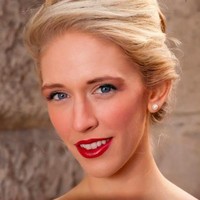
This interview was conducted by Adi Soozin, Vice President of Energy Infrastructure Acquisitions at National Energy Holdings | 5th Gen CRE | International Speaker | 2x Best Selling Author
If you are looking to build your name as an industry titan, we would love to help you. Fill in this application to get started: 9×90.co/apply-now, or start with our emails on bite-sized, high-powered marketing tricks:
[yikes-mailchimp form=”1″]Listen to this episode using your favorite app
⚖️ Legal Disclaimer
All opinions expressed by the guests are their own. 9×90™ and its affiliates do not endorse or guarantee any specific outcomes discussed in this episode. This podcast is for informational and entertainment purposes only and does not constitute financial, legal, or investment advice. Listeners should conduct their own due diligence and consult with professional advisors before making any investment or business decisions. Nothing discussed in this episode constitutes an offer to sell, or a solicitation of an offer to buy, any securities. Any such offer or solicitation will be made only through official offering documents and to qualified, accredited investors, in accordance with applicable securities laws. The views expressed by guests are their own and do not necessarily reflect those of the host or 9×90™.
Come on the show
Fill in this application to apply to come on the 9×90™ show: https://9×90.co/apply-now/
Would You Like to Watch Another Episode? Yes, of course you would ⬇️⬇️⬇️⬇️⬇️⬇️⬇️⬇️⬇️⬇️⬇️