(#58) Meet Paul Peterson, Managing Partner of Heritage Origen Fund™: He sits at the intersection of high-stakes finance and fundamental survival.
Listen to this episode using your favorite app


⚖️ Legal Disclaimer
All opinions expressed by the guests are their own. 9×90™ and its affiliates do not endorse or guarantee any specific outcomes discussed in this episode. This podcast is for informational and entertainment purposes only and does not constitute financial, legal, or investment advice. Listeners should conduct their own due diligence and consult with professional advisors before making any investment or business decisions. Nothing discussed in this episode constitutes an offer to sell, or a solicitation of an offer to buy, any securities. Any such offer or solicitation will be made only through official offering documents and to qualified, accredited investors, in accordance with applicable securities laws. The views expressed by guests are their own and do not necessarily reflect those of the host or 9×90™.
About this episode
In this episode, we explore the intersection of high-stakes finance and fundamental survival. From the strategic landscape of Expo City Dubai to the emerging markets of the Global South, we discuss how a shift in macroeconomic thinking is driving the next generation of food, water, and energy security.
From the Frontlines to Global Finance
The journey from a decorated Air Force career during the Cold War to the world of commodities trade finance highlights a profound shift in perspective. Our guest shares how the transition from military service to private equity was fueled by a realization that macroeconomics is the ultimate lever for policy change. This “extreme sense of social responsibility” now guides a strategy focused on changing the trajectory of nations through sustainable investment.
The Profitability Pillar
A core theme of this conversation is the reframing of sustainability. Moving away from traditional charity models, the Heritage Origen Fund operates on a singular principle: profitability is the first pillar of sustainability. By prioritizing high leverage per dollar invested, the fund aims to maximize impact on UN Sustainable Development Goals while ensuring long-term financial viability for its stakeholders.
Scaling Breakthrough Innovations
We dive deep into the fund’s role as both an incubator and accelerator. By vetting technology at the Manufacturing Readiness Level (MRL) 3–5, the fund captures maximum upside value before scaling production.
Key innovations discussed include:
- Atmospheric Water Production: Utilizing Metal Organic Frameworks to create mobile, modular, solar-powered water systems.
- Modular Infrastructure: Transitioning breakthrough technology into scalable, “plug-and-play” systems for high-growth markets.
- Strategic Commercialization: Ensuring that the transition from lab to market is backed by a robust supply chain and manufacturing strategy.
Looking Toward 2030
The episode concludes with a look at the strategic roadmap for infrastructure in the Global South, emphasizing how fundamental innovations in resource security will define the economic landscape leading up to the end of the decade.
About this guest
For those of you who do not know Paul Peterson:
1. From Cold War Pilot to Global Financier
Before entering the world of high finance, Peterson was a decorated Air Force pilot during the Cold War. He learned to fly secretly at age 11 on a Minnesota farm using a Piper Cub crop duster. By the time he reached university, he already had a pilot’s license and an instructor’s rating, and he eventually flew F-16s with the 347th Tactical Fighter Wing.
2. Master of “Difficult” Languages
Peterson is a polyglot who has traveled to over 100 countries. He is proficient in several of the world’s most challenging languages, including Russian, Japanese, Mandarin, and Arabic. His fluency in Russian was actually what helped him secure an immediate scholarship from the Air Force during his youth.
3. Architect of the World’s Most Sustainable Cities
He played a pivotal role in the sustainability strategy for Expo City Dubai, which hosted COP 28 and is recognized as the world’s most sustainable city. He is currently applying that expertise to Expo 2030 in Riyadh, advising on a strategy to make it the next global benchmark for sustainable urban living.
4. Turning “Thin Air” into Drinking Water
Through the Heritage Origen Fund, Peterson has commercialized breakthrough technology using Metal Organic Frameworks (MOF). This material can absorb water from the atmosphere with zero energy input. He helped develop a solar-powered system in Abu Dhabi that can extract 3,000 liters of clean drinking water a day directly from the humidity in the air.
5. A Multi-Billion Dollar Track Record
Peterson isn’t just a theorist; he has a proven history of scaling deep-tech innovations. One of his previous ventures, AirJuel, utilized advanced materials to create highly efficient air conditioning. Under his involvement, the company went public on the NASDAQ and reached a peak valuation of over $1 billion.
Connect
- YouTube: https://www.youtube.com/@HeritageOrigenFund
- LinkedIn: https://www.linkedin.com/company/heritageorigenfund/
- Instagram: https://www.instagram.com/HeritageOrigenFund
- TikTok: https://www.tiktok.com/@HeritageOrigenFund
Thank You to Our Sponsors

Heritage Real Estate Fund™
Orchestrating multi-million-dollar investment strategies with surgical precision, HREF’s insight and execution is virtually unmatched. This Invite-only CRE fund provides investors with exclusive access to off market opportunities, a 110 year legacy & all-star operators. HREF’s approach is built on five generations of real estate expertise and a consistent track record of success investing in real estate across the US.
Molo9™ – The Proven Path to Profit
The go-to software for founders and fractional CMOs ready to scale. Molo9™ maps your fastest route to revenue, helping you craft intelligent, high-converting marketing campaigns without wasting time or budget.

Tools of Marketing Titans™
A comprehensive guide featuring over 90 actionable marketing projects from global experts who have built and led renowned brands, generating billions in revenue. This resource offers practical strategies to accelerate growth, including insights on leveraging AI tools like ChatGPT for sustainable revenue.
Show Notes Generated by Gemini
These show notes were generated by AI
- Introduction of Paul Peterson and Background: Adi Soozin introduced Paul Peterson as a mentor, retired decorated Air Force officer, and highly accomplished individual who has traveled to over 100 countries and speaks several difficult languages, including Russian, Japanese, Mandarin, and Arabic (00:00:00). Paul Peterson clarified that their team’s involvement with Expo City Dubai was centered on sustainability strategy, making it the world’s most sustainable city and host of COP 28. They are currently advising on the sustainability strategy for Expo 2030 in Riad, which aims to be the world’s most sustainable city (00:01:05).
- Paul Peterson’s Travel and Schedule: Paul Peterson is currently calling from Riad, noting the calm following a 14-hour ceasefire, and divides their time between Riad and Jeddah, and Dubai and Abu Dhabi. They mentioned their extensive travel schedule, having recently been in London and planning future trips to Paris, Geneva, DC, and San Francisco Climate Week. They humorously remarked that they often lose track of time zone or country, despite being a decorated pilot (00:02:11).
- Early Life and Military Service: Paul Peterson shared that their origin story is far removed from their current professional focus and values, explaining their evolution over the last 20 years (00:02:11). They were born and raised on a farm in Minnesota by Russian immigrant grandparents and grew up as a staunch anti-communist during the Cold War era. Their grandfather taught them to fly a small Piper Cub crop duster on the farm when they were about 11 years old (00:03:35).
- Flying and University Preparation: Paul Peterson recounted secretly flying the Piper Cub on the grass strip outside of town after they could reach the rudder pedals, saving their lawnmowing money to buy gas to refuel it, assuming nobody knew (00:04:37). By the time they were ready for university, they had a pilot’s license, an instructor’s rating, could shoot for the US national team, and spoke fluent Russian, which led to an immediate scholarship from the Air Force (00:05:37). They achieved a lieutenant’s commission, went through flight training, and flew the F-16 with the 347th Tactical Fighter Wing (00:06:32).
- Transition from Military to Civilian Career: The end of the Cold War and the subsequent change in mission, including enforcing a no-fly zone in Kurdistan during the Gulf War, caused Paul Peterson to reconsider their path (00:06:32). They took a separation opportunity to start a civilian career, initially working for Cargill in Minneapolis, which led to opening the first office in Moscow in the mid-’90s. This eventually transitioned to an opportunity with Merrill International Bank (MLIB), where they realized there was significantly more money to be made in commodities trade finance, creating a lucrative career (00:07:56).
- Shift to Macroeconomic Impact and Social Responsibility: Paul Peterson experienced another significant turning point after reading “Confessions of an Economic Hitman,” which highlighted how macroeconomics influences policy and entire populations (00:09:15). Adi Soozin emphasized that the family office world understands that macroeconomic decisions can change the trajectory of entire nations and 50 future generations, imposing an extreme sense of social responsibility (00:10:25). Paul Peterson affirmed that having the capacity and experience to positively impact millions or billions of people and future generations is a distinct honor and privilege (00:11:30).
- Focus on Fundamental Innovations and Investment Strategy: Paul Peterson realized that instead of being part of the “big machine,” they could have a greater impact by finding, funding, and scaling new innovations in the fundamental areas of food security, water security, and energy transition (00:13:19). This journey over the last 25 years involves acting as an innovator, investor, and fund manager. They noted that their investment focus is not on areas like AI, crypto, or real estate, though the latter is fundamental to the human experience (00:14:43).
- Investment Leverage and Foundation of Heritage Origin Fund: Paul Peterson seeks to maximize leverage per dollar, aiming to impact multiple UN Sustainable Development Goals per dollar invested. They launched a venture fund, incubator, and accelerator in Portland, Oregon, 25 years ago, focusing on scalable solutions in food security, water security, and energy transition (00:15:47). Their focus is on commercializing efficient, low-cost, scalable solutions to impact the most vulnerable populations, emphasizing that their endeavor is not a charity (00:16:54).
- Innovative Solution for Vertical Farming Profitability: Adi Soozin discussed the challenge of vertical farms in Europe being decimated by the drug industry due to the higher profitability of growing cannabis compared to food. Paul Peterson proposed a solution by collaborating with organizations like La Liga and FIFA to integrate controlled environment agriculture assets into the training camps and recruiting efforts of football clubs (00:18:21). The players often come from villages with food and water insecurity, so this approach allows the clubs to give back to the communities sustainably (00:21:08).
- Macroeconomic Leverage in Developing Economies: Paul Peterson argued that deploying innovative, low-cost, highly scalable food, water, and energy solutions in developing economies, particularly in Sub-Saharan Africa, yields much higher leverage and profitability than in modern economies (00:22:33). They cited the statistic that 200 million hours are wasted every day by women and girls carrying water, emphasizing that solving water insecurity frees up human potential for education, healthcare, and job creation (00:23:41). This approach reduces the risk of climate migration, political unrest, and armed conflict (00:24:57).
- The Formula for World Peace and Economic Empowerment: Adi Soozin recalled their grandfather, the past international director of Rotary International, defining the formula for world peace as “economic empowerment” (00:24:57). Adi Soozin detailed a current initiative with the CEO of a power company, Rotary International, and Esther Wojcicki to bring power to 120 countries, simultaneously installing trade schools for boys and nursing schools for girls (00:27:06). This approach, using the high profitability of selling electricity to put entire nations on the grid, creates jobs and education, driving economic growth (00:28:14).
- Five Buildings for Economic Development: Adi Soozin proposed that only five essential infrastructure elements are needed to turn a desert or mudland into an economic zone: a power plant, agriculture/food security, sewage/water management, education, and healthcare. Once these fundamentals are established, they unlock opportunities for subsequent investments in communications, retail, and other infrastructure, creating a highly profitable and prosperous environment (00:30:16). Paul Peterson is currently based in Riad because the sector rotation in Silicon Valley is not favorable to sustainability solutions, but in the Middle East, the opportunity for such profitable impact is immense (00:31:16).
- Profitability as the First Pillar of Sustainability: Adi Soozin highlighted Paul Peterson’s unique perspective from their Merrill Lynch background, where they calculate profitability (IRR) for investors first before considering the asymmetrical impact of sustainability projects (00:31:16). Paul Peterson affirmed that understanding profit and loss (P&L) and balance sheets is critical, stating that the first pillar of sustainability must be profitability; otherwise, it is a charity and will fail (00:37:54). The leadership in the GCC region views food and water security as key components of their defense readiness strategy, indicating a massive, existential market opportunity (00:35:27).
- Case Study: AirJuel and Metal Organic Framework (MOF): Paul Peterson presented a case study of AirJuel, a company they were involved with that utilized Metal Organic Framework (MOF), a material that absorbs water (hydrophilic) with zero energy input (00:51:58). This material was applied to create the world’s most efficient air conditioning system by drastically reducing the energy cost of dehumidification (00:54:14). The company went public on the NASDAQ, peaking at over a billion-dollar valuation (00:55:25).
- Application of MOF to Water Production: The same dehumidification technology used by AirJuel led to a new opportunity: condensing humidity into drinking water. Paul Peterson’s team developed a demo system in Abu Dhabi that uses solar power to produce 3,000 liters of water a day from atmospheric humidity. This distributed water production method mitigates the risk of coastal desalination plants being targeted in a conflict and provides a critical supply of drinking water (00:56:50).
- Sustainable Alternative Milk Product: Paul Peterson detailed another innovation: an alternative milk product made from a legume, developed in a Singapore lab, which requires only 14 liters of water per liter of finished product, compared to 500 liters for almond milk (00:39:56). This legume also develops a deep root structure that regenerates arid and depleted soils over several growing seasons, creating a “soil regeneration play” that benefits the farmer and the entire community, thus creating a circular economy (00:41:26).
- Empowering Communities and Long-Term Value Creation: Paul Peterson recounted a previous lesson learned while working on solar thermal power generation solutions for gold mines in West Africa, where they mitigated the problem of theft by integrating cold storage for food and medicine using the CO2 exhaust (00:44:58). This dual-purpose solution—providing power, water, and cold storage—empowered the community, leading the local tribal elders and governors to protect the asset and generating a strong return on investment (00:48:33). The Heritage Origin Fund focuses on delivering empowering, profitable solutions that create a ripple effect of opportunities in high-growth markets like the GCC, Sub-Saharan Africa, and India (00:49:38).
- Application of Water Technology for Commercialization: Paul Peterson described a new water source technology, which originated from a pure science perspective, and how the Heritage Origin Fund applies this innovation to manufacture products to generate returns for shareholders. They produce systems ranging from the size of a coffee maker, yielding 10 to 15 liters of water daily, to systems as large as a Toyota, capable of producing 3,000 to 5,000 liters of drinking water daily for communities or facilities like hospitals (00:59:06). This approach involves creating mobile, modular, solar-powered systems that are cheaper than drilling a well and tap into the atmosphere, which holds more portable water than all lakes and reservoirs combined (00:59:57).
- New Desalination Method and Active Investment Strategy: The Heritage Origin Fund developed a patented method for desalination that utilizes captured carbon as a source. This strategy of commercializing new innovation is how the fund aims to make the greatest impact on entire economies and continents, which subsequently creates large returns for their stakeholders (01:01:08). They emphasize that being an active investor, moving from concept to commercialization and idea to initial public offering (IPO), requires significantly more work than passive fund management but captures the most upside value (01:02:16).
- Distinguishing Between Good and Bad Technology: Adi Soozin noted that investing in research and development for critical infrastructure and sustainability can be risky without the technical knowledge to assess technology (01:02:16). Paul Peterson confirmed that they conduct rigorous vetting, working with engineers and Nobel laureates to distinguish if a new breakthrough is commercially viable or if it requires materials like “unobtanium,” which is a sign that the innovation is not scalable for manufacturing (01:03:24). The ability to conduct this serious engineering due diligence is crucial for making money in early-stage technology solutions in areas like food, water, and energy transition (01:05:17).
- Role as an Incubator and Accelerator: Paul Peterson explained that their company is officially designated as an incubator and accelerator in Abu Dhabi, requiring them to have the capabilities to take a concept and apply all the necessary tools across areas such as marketing, human resources, finance, and manufacturing (01:05:17). To make their research and development (R&D) and vetting efficient, they invested in MRL9, an Advanced Manufacturing and Engineering institute at Coventry University in the UK. Smart investors utilize the Manufacturing Readiness Level (MRL) and Technology Readiness Level (TRL) scales, with MRL3, four, or five being their sweet spot, as investing in an MRL9 product means missing the vast majority of the potential upside (01:06:13).
- Scalable Manufacturing and Sustainable Solutions: The MRL9 team conducts detailed digital twin analysis and supply chain assessments on prototypes to ensure manufacturability at scale, which is essential because successful products will require millions of units (01:07:30). The fund focuses on enabling scalable manufacturing and pricing the solution to meet the demands of the late majority (the “laggards”) to maximize profit and avoid expensive R\&D mistakes often made by innovators who skip MRL/TRL analysis (01:08:38). The fund is described as a “safe place to invest in innovation” because they perform the heavy lifting on the front end, ensuring manufacturing capacity and a robust supply chain are built early on (01:09:33).
- Economic Sustainability in Community Development: Paul Peterson explained that infrastructure must be built to meet local economic and climate conditions, including access to skilled labor and spare parts, so it can be reliably warrantied to serve the community and generate cash flow for investors for 10 or 20 years. Adi Soozin highlighted that true sustainability involves using the investment network to educate local populations and create jobs, ensuring the community maintains the facilities rather than destroying them, which leads to a return on investment for the financial partners (01:10:39). They emphasized that successful investment in sustainability requires understanding macroeconomics and the need to generate returns for investors (01:12:02).
- Exit Strategy Focused on Critical Infrastructure: Investing in critical infrastructure needs of growing economies ensures that their solutions are always in demand and are more or less recession-proof, which is preferable to volatile sectors. A key part of the Heritage Origin Fund’s exit philosophy involves showcasing their innovations for sale at Expo 2030 in Riyadh, which is expected to attract millions of people. The fund’s alignment with the Expo’s sustainability strategy and the leadership in Saudi Arabia provides a brilliant exit window for their portfolio companies (01:13:05).
Thank You to Our Sponsors
Heritage Real Estate Fund™
Orchestrating multi-million-dollar investment strategies with surgical precision, HREF’s insight and execution is virtually unmatched. This Invite-only CRE fund provides investors with exclusive access to off market opportunities, a 110 year legacy & all-star operators. HREF’s approach is built on five generations of real estate expertise and a consistent track record of success investing in real estate across the US.
Molo9™ – The Proven Path to Profit
The go-to software for founders and fractional CMOs ready to scale. Molo9™ maps your fastest route to revenue, helping you craft intelligent, high-converting marketing campaigns without wasting time or budget.
Tools of Marketing Titans™
A comprehensive guide featuring over 90 actionable marketing projects from global experts who have built and led renowned brands, generating billions in revenue. This resource offers practical strategies to accelerate growth, including insights on leveraging AI tools like ChatGPT for sustainable revenue.
Transcript
This transcription was generated by Gemini & edited by ChatGPT
00:00:00
Adi Soozin: Hello everyone and welcome to another episode of 9×90. Today you are meeting a very special guest of mine. Uh he has come to be uh a loving uncle or godfather mentor type. Um I met him through William Lance Landers who many of you know as one of my best friends and he’s come on the show as well. Um we have Paul Peterson with us today. He is a decorated absolutely incredibly accomplished uh retired Air Force officer. He uh designed with his team the Dubai Expo City for COP 28 which he’s going to explain in a minute. And uh now he’s working on the world the world’s expo city that’ll take place in Rya Riad Riyad Riad in sorry
Paul Peterson: Riad.
Adi Soozin: in too many cities in Riyad in uh 2030 and uh he has been to twice as many countries as I’ve been to. He’s been to over a hundred countries and lost track after that. So, you’re about to meet a very amazing, very accomplished, very welltraveled person who also speaks all of the hardest languages.
00:01:05
Adi Soozin: Some of you know one of my goals was to learn eight languages. Well, he speaks what? Russian, Japanese, Mandarin, English. What else? Arabic.
Paul Peterson: Uh, a little bit Arabic. It’s
Adi Soozin: Yeah. Well, you’ll you’ll be there soon.
Paul Peterson: possible.
Adi Soozin: I have to catch up. Okay. So uh tell me tell can you just tell the audience your origin story because you you worked uh you were in the cold war and then you came out you made all these amazing uh technological companies that have had astronomical growth and now you’re starting an international fund.
Paul Peterson: That’s correct. But first, let me back up and make a quick correction.
Adi Soozin: Yes.
Paul Peterson: uh we didn’t design or build expo city uh in Dubai but uh our team is responsible for sustainability strategy for Expo City Dubai which is the world’s most sustainable city and was the host of uh COP 28 in Dubai and now uh the
Adi Soozin: Well,
Paul Peterson: team is the director of sustainability for expo 2030 Riad which at the moment is blueprints and dirt the intent is to make it the world’s most sustainable
00:02:11
Adi Soozin: yeah.
Paul Peterson: city That’s a big part of what what we do in our advisory practice. And I’m calling you from Riad now, as you know. It’s uh and and there’s it’s quiet uh tonight. Uh we’re about 14 hours into the ceasefire and things are calmed down a little bit. Um I I live here uh between Riyad and Jedha about half the time and about half the time between Dubai and Abu Dhabi. Uh where we keep our primary office. And the third half of of my time is who knows? I mean last time we met was London,
Adi Soozin: There it
Paul Peterson: Paris next week, uh Geneva, DC next, San Francisco climate week in two weeks. Um I don’t know what time zone or country I’m in anymore.
Adi Soozin: Hey,
Paul Peterson: I have been to over a hundred countries that half the time I don’t know where I am or what day it is, but that’s just probably because I’m a lousy navigator, which is why they made me a pilot. So the origin story is is quite um far from uh the uh from my roots are quite removed from what I represent, what my values are and what we do today for the last 20 years of my career.
00:03:35
Paul Peterson: Um,
Adi Soozin: Yeah.
Paul Peterson: we all go through evolution in our lives and careers and what’s important to us and what what values we cherish and and and I’m going way back in time. Um, I was, as you know, Adi and William knows, I mean, I was born and raised on a farm in Minnesota from Russian immigrate grandparents, right? And we grew up rural staunch anti-communists and in the middle of the it was it was a different era right this is the 1970s and 80s during
Adi Soozin: Yeah.
Paul Peterson: the cold war and you know Rocky 4 and Ivon Drago and Wolverines and and all that chaos and I knew and my grandfather taught me to
Adi Soozin: Heat.
Paul Peterson: fly in the little Piper cub we had on the farm as a crop duster. Right.
Adi Soozin: No way.
Paul Peterson: Yeah, that’s that’s how I I I you know that’s how I earned earned.
Adi Soozin: Oh my god. Oh, wait. How old were you the first time you flew a plane?
Paul Peterson: Yeah.
Adi Soozin: I knew it.
00:04:37
Adi Soozin: I knew it. Go ahead. Come on. Tell us. Because said Montana hot crop like you were 11, weren’t you?
Paul Peterson: I was I was a little kid.
Adi Soozin: I knew it.
Paul Peterson: I was I was like 11 years old and my grandfather taught me he put me on Minneapolis St. Paul phone books in the front seat to see over the instrument panel. I couldn’t reach the rubber pedals.
Adi Soozin: Yeah.
Paul Peterson: There’s just no way.
Adi Soozin: Yeah,
Paul Peterson: And he taught me the basics,
Adi Soozin: that’s
Paul Peterson: right? You know, left, right, houses get bigger,
Adi Soozin: Yeah.
Paul Peterson: houses get smaller. That’s what what more do you need to
Adi Soozin: Oh my god,
Paul Peterson: know?
Adi Soozin: I was getting her
Paul Peterson: And I thought he didn’t know,
Adi Soozin: smaller
Paul Peterson: but I’m sure he I was sure he didn’t know. But when I started to grow longer legs at 12, 13, 14 years old and I could finally reach the runner pedals, I would ride my bicycle out to the little grass strip a couple of miles outside of town and and I would prop this thing and take enjoy riding.
00:05:37
Paul Peterson: Absolutely. All the time.
Adi Soozin: No way.
Paul Peterson: Yeah.
Adi Soozin: Oh my god.
Paul Peterson: And I would quietly quietly put it back.
Adi Soozin: Oh my
Paul Peterson: This is long before I had a pilot’s license.
Adi Soozin: god.
Paul Peterson: And how hard can it be, right? That’s the kind of the mantra of my life.
Adi Soozin: are going to be the fly at 12.
Paul Peterson: And and I would I would save up my
Adi Soozin: Oh my god.
Paul Peterson: lawnmowing money and I would fill it back up with gas and I would put it back in the tie down spot exactly as I found it, thinking nobody would know. Of course, I found out years later he knew.
Adi Soozin: I was watching you
Paul Peterson: And yeah, he he knew.
Adi Soozin: there.
Paul Peterson: I mean, old man Johnson would call Farmer Jones down the street and say, you know, but he never Yeah.
Adi Soozin: Paul’s falling again. Oh god.
Paul Peterson: He didn’t he didn’t stop me. And so by the time I was ready for university, um I had a pilot’s license, instructor’s rating, uh I can shoot.
00:06:32
Paul Peterson: I I used I shot for the state of Minnesota team trap and ski. I shot for the US national team later and I can I can shoot. speak fluent Russian. And so what and and of course the Air Force picked me up and said, “Oh scholarship, young man.” And that was a blessing, right? That was that was exactly what I wanted to do with my life.
Adi Soozin: Yeah.
Paul Peterson: I was dedicated and passionate and and I I I went through I got a lieutenants commission. I went through flight training. I went to to UPT and and was assigned to to the 347 tactical fighter wing where I flew the F-16 which was absolutely exactly what I knew what I was was born for. Right? Not long after that, however,
Adi Soozin: Yeah.
Paul Peterson: the the cold the Cold War ended. The Berlin Wall came down, right? the Soviet Union fell apart and our squadron and I found ourselves flying you know top cover uh you know enforcing a no-fly zone in Kurdistan in northern Iraq in Gulf War and sure it’s fun it’s exciting it’s cool and needle for a young man but it also made me think and it that that there was a Miaopa moment in my lifetime and career and I thought Okay, now what are we doing here?
00:07:56
Paul Peterson: This mission has completely changed and the world has changed. And what are we doing dropping bombs on people’s heads in the desert for oil for
Adi Soozin: Yeah.
Paul Peterson: and and so um not long after that when
Adi Soozin: Yeah.
Paul Peterson: a riff opportunity came and I could get out and and start a civilian career and start to make real money because lieutenants don’t make much money. Uh, I took it and I went to work for a big family farm uh called Cargill in Minneapolis uh which then sent me to uh as part of their team to open the first office in Moscow in the mid ‘9s and eventually uh from there to to Vladisto and Hamarosk and Osaka and Singapore where I picked up a really very interesting opportunity with a little outfit called MLIB, Maryland International Bank, who had clients like Cargill, ADM, Archer Daniels, Midland, Kager, Pave, and there was 10 times the money to be made in commodities trade finance. So I I took that and that created a very very interesting,
Adi Soozin: Yeah.
Paul Peterson: lucrative career for smart, aggressive, ambitious young man.
00:09:15
Paul Peterson: And it was fantastic, wild, uh crazy times,
Adi Soozin: He
Paul Peterson: a lot of money to be made. Um and and and we were moving markets quite literally. Uh but this is where another micopa moment occurred and another interesting transition
Adi Soozin: Yeah.
Paul Peterson: in your life, right? We’ve all been through them. At least if we’ve been around long enough, we can one can hope to. There was a book that was published uh about that time called Confessions of an Economic Hitman. I don’t know if you’ve ever read it,
Adi Soozin: No,
Paul Peterson: but strongly recommend uh
Adi Soozin: but I’ll look it up. Okay.
Paul Peterson: about how the macroeconomics affect policy that affects um entire populations. It’s I’m not talking about currency manipulation or commodities manipulation.
Adi Soozin: Yeah.
Paul Peterson: I’m talking about the the the the power behind uh controlling entire economies and the and the trajectory of entire countries from commodities trade which is a very different power than than diplomatic and political soft power is a very different
00:10:25
Adi Soozin: Yeah.
Paul Peterson: power from brute force military power which we’re experiencing here in the Middle East over the last few weeks. Right.
Adi Soozin: Yeah. We have a lot of So in the family office world, you’re you’re basically born into that and you have and you learn very quickly from a very young age that when you’re making these decisions, they change they don’t change the trajectory of a few hundred people. They don’t change the trajectory of a company. They change the trajectory for Inquire Nations and every na every single person you’re supposed to view as the head of uh 50 generations. So you’re every time you change one person’s life, you’re changing the lives of 50 generations with your macroeconomic moves. So you’re taught this extreme sense of social responsibility because of exactly what you’re saying. And that’s why like we we have to collaborate with politicians. We have to collaborate with we have to look at what we’re doing and say, is this going to cause good for the next 50 generations or is it going to cause harm?
Thank You to Our Sponsors
Heritage Real Estate Fund™
Orchestrating multi-million-dollar investment strategies with surgical precision, HREF’s insight and execution is virtually unmatched. This Invite-only CRE fund provides investors with exclusive access to off market opportunities, a 110 year legacy & all-star operators. HREF’s approach is built on five generations of real estate expertise and a consistent track record of success investing in real estate across the US.
Molo9™ – The Proven Path to Profit
The go-to software for founders and fractional CMOs ready to scale. Molo9™ maps your fastest route to revenue, helping you craft intelligent, high-converting marketing campaigns without wasting time or budget.
Tools of Marketing Titans™
A comprehensive guide featuring over 90 actionable marketing projects from global experts who have built and led renowned brands, generating billions in revenue. This resource offers practical strategies to accelerate growth, including insights on leveraging AI tools like ChatGPT for sustainable revenue.
00:11:30
Adi Soozin: And people were like, “Oh, you’re so lucky.” And I’m like, “You have no idea.” the pressure we’re under with some of the decisions we have to make. So then like someone down the street wants to cause drama about like splitting a bill and you’re
Paul Peterson: Yeah.
Adi Soozin: like whatever, I’ll pay the whole bill. Leave me alone. I have to focus on like changing the trajectory for entire countries right now. I don’t care if you want me to buy your lunch. Like it’s Yeah, you just hit the nail on the head with with what happens a lot behind the scenes for for FOs that people don’t even understand a fraction of that pressure.
Paul Peterson: They don’t and it but it is a privilege. It is a a distinct honor and privilege to have the capacity,
Adi Soozin: Yeah.
Paul Peterson: right, to have the education,
Adi Soozin: Yeah.
Paul Peterson: to have the experience to be able to make an impact appropriately,
Adi Soozin: Yeah.
Paul Peterson: positively upon potentially millions of people and the future generations of
00:12:19
Adi Soozin: Yeah.
Paul Peterson: of billions of people. And that’s what we have and that’s what I learned right through this transition of my career, right? brute forced uh uh military powers is one way to do it. And I experienced that and said, “Okay, that’s really not for me.” And and then working, you know, for a big big big brands in in a in a fast rising,
Adi Soozin: Yeah.
Paul Peterson: you know, executive position at at Cargill and Marilyn International Bank. That’s one way. And I realized, okay, but at heart, I’m a farm boy and a tree hugger hippie from the Pacific Northwest.
Adi Soozin: Hey.
Paul Peterson: I live
Adi Soozin: I’m the same way. I’m like, before you guys blow each other up, let me just go grab lunch with this person.
Paul Peterson: in
Adi Soozin: I’m sure we can like talk something out. Usually wars could be prevented. Like, and the only people that rush into war are the people who don’t know the cost of it. And people have seen the cost of war are much quicker to say, “Let’s negotiate a better deal instead of using young children as
00:13:19
Paul Peterson: Yeah.
Adi Soozin: cannon fodder.” Yeah.
Paul Peterson: Yeah. So, how do we empower people, right? How do we actually empower people and how do we create new innovations that are actually leverable? Because what I mean by that is if as an investor you can spread capital across a portfolio of solutions like you can invest in in in big a which nothing wrong with that. I mean you can invest in in in big chemical companies you can invest in energy companies because they are moving the world right they do feed the world. You can invest in Violia and and and Nestle and and companies that provide water and water solutions
Adi Soozin: Yeah.
Paul Peterson: and you can invest in municipal bonds and build wastewater treatment plants. These are all good things. Feeding and watering of the population is fundamentally the most basic
Adi Soozin: Yeah.
Paul Peterson: good thing in my mind. Right? So about 20 years ago or so, um I realized that if I’m going to make a real impact in the fundamental areas of food security, water security, and energy transition, I can I can I can be more impactful by finding and funding and scaling new innovations as opposed to being part of a big big machine that is continuing to conduct business in the way that
00:14:43
Adi Soozin: Yeah.
Paul Peterson: it’s always been conducted for 100 years or more.
Adi Soozin: Yeah.
Paul Peterson: And so that that started my journey that I’ve been on for the last almost 25 years as an innovator, an investor, an inventor, and now a fund manager looking for innovators, inventors, and young, brilliant, driven um people that want to to to make a real impact in these three fundamental areas. I don’t invest in AI. I I don’t invest in crypto. I don’t invest in real estate. Although I could probably have made more money because it’s not
Adi Soozin: I’ll I’ll take you into real estate first.
Paul Peterson: easy.
Adi Soozin: I’m walking with you into desalinization and power plants and infrastructure and then I’ll take you into real estate.
Paul Peterson: Thank you. I appreciate that because it is fundamental too,
Adi Soozin: Yeah.
Paul Peterson: right? Real estate is complet is fundamental to to to the human experience.
Adi Soozin: Yeah.
Paul Peterson: Um but about
Adi Soozin: You you can make or break an entire economy and you uh with one building.
00:15:47
Adi Soozin: You can you can increase the crime rate to make a good area, a dangerous ghetto war zone with one building. And you can turn a high crime area into a safe neighborhood for the working class with one building.
Paul Peterson: Yeah, I I
Adi Soozin: Just one out of 200 buildings.
Paul Peterson: agree.
Adi Soozin: One building is all it takes to make or break an economy.
Paul Peterson: And that high that that that high leverage, right? That’s what I was looking for. How do I maximize leverage per dollar,
Adi Soozin: Yeah.
Paul Peterson: right? How do we So, how do we impact at least one or two or three or maybe four SDGs,
Adi Soozin: Yeah.
Paul Peterson: UN sustainable development goals per dollar? So, uh, I I I I put together some of my own capital and some friends and some LPs, and we launched a little venture fund and an incubator accelerator in Portland, Oregon 25 years ago,
Adi Soozin: Yeah.
Paul Peterson: working with a a bunch of like-minded tree hugger hippie in engineers and inventors to to to create new, more efficient, scalable solutions in food security, water security, and energy transition.
00:16:54
Paul Peterson: And it’s it’s it’s been absolutely fascinating um how if you can commercialize a solution that is more efficient, more scalable, lower cost to manufacturer and you drive that into a marketing distribution channel in collaboration with NOS’s and like-minded people that can impact the most vulnerable to climate change, people that are going to suffer the most and need to that that need the tools, right, to survive climate change mitigation and adaptation. That to me is the most impactful use of my time and and and and capital. And so, but that doesn’t mean we’re a charity.
Adi Soozin: Yeah.
Paul Peterson: Absolutely, we are not right. Investing in startups and scaleups that can impact food security, water security issues is our theme. That’s our focus. However, there are water security issues in Flint, Michigan, right? There are food security issues all
Adi Soozin: I I think let let’s dive down that for a second because you didn’t like I I
Paul Peterson: over.
Adi Soozin: told you on the phone yesterday um about the food the food security problem and I was like I don’t know how we solve this because Will and his friends built 4 or 500 vertical farms across Europe to bring fresh produce produce to all of these cities in Europe where they didn’t have land because they can produce more in a building uh they it’s
00:18:21
Paul Peterson: Mhm.
Adi Soozin: one acre building can produce what you need 25 acres of land to do and then that was decimated by the drug industry because it became so much more profitable for cannabis to be made in there.
Paul Peterson: Mhm.
Adi Soozin: So then the food shortage came back and then you came up with something that I think you should discuss, you should disclose now where you’re like, let’s get the FIFA the soccer the world’s the world famous soccer players to put the the food uh the the vertical farms and fooding sol food uh security solutions in their cities. So the way you structured that I think is something that would be extremely interesting to investors because you found a way to make something that was no longer profitable beneficial and profitable again. Can we dive into that for a
Paul Peterson: Yeah, sure. uh the example that you just mentioned uh the the the agrch solutions in in Europe I mean it’s not
Adi Soozin: second?
Paul Peterson: a bad idea it’s a great idea in fact we experienced the same problem in the United States the the the sector the CA controlled environment agriculture indoor aquaponics hydroponics vertical farming um it was a great idea a very very good friend of mine is the CEO of equilibrium capital the largest controlled environment agriculture you know asset manager in the world in Portland Oregon and they’ve had they’ve They’ve had a difficult time.
00:19:39
Adi Soozin: Yeah.
Paul Peterson: They’ll navigate it appropriately as they do and others have had a very very difficult time especially in the United States West Coast since cannabis was legalized because the compet competition for labor,
Adi Soozin: Yeah.
Paul Peterson: the competition for for lights, for equipment and gear and and and and of course real estate um has has driven the the goodhearted goodnatured people that want to grow tomatoes and lettuce out out of business. There’s basil is the only product that I’ve seen in controlled environment agriculture that is actually profitable right these days. Um but that we’re talking about American um modern infrastructure uh um you know municipalities where you have that competition for real estate and labor and people smoke a lot of cannabis. But in
Adi Soozin: It’s just more profitable than lettuce. We get it. Lettuce is not appreciated the same way for
Paul Peterson: But in so so I looked at this this this issue and controlled environment agriculture
Adi Soozin: value.
Paul Peterson: uh hydroponics aquaponics um in the developing economies of subsaharan Africa and realized that and I started collaborating with some some folks at La Liga and FIFA and and other club owners and realized that most of these and their agents and their trainers.
00:21:08
Paul Peterson: And most of these soccer clubs, these football clubs recruit their players from from villages in the middle of nowhere that suffer from food security and water insecurity.
Adi Soozin: Yeah.
Paul Peterson: And so the concept is uh when they go into recruit players and build training camps and recruiting camps, they have to give something back to the community. Put some money into a library or school or whatever. What about something really sustainable like whales companies and others that we can develop um controlled environment agriculture assets? It’s a no-brainer.
Adi Soozin: Yeah.
Paul Peterson: Um these communities,
Adi Soozin: Yeah.
Paul Peterson: and by the way, important safety tip, the vast majority of of of the planet still lives in conditions, right? and with infrastructure that they they they wish they had the problems of Flint, Michigan. Those problems do need to be solved in modern in modern economies
Adi Soozin: Yeah.
Paul Peterson: with uh improvement room for improvement in our infrastructure.
Adi Soozin: Yeah.
Paul Peterson: But I’m going to I’m I’m going to I’m the impact that one can make in the macroeconomics of a of a an entire country is extraordinarily leverable.
00:22:33
Paul Peterson: If you deploy your solutions, these new innovative, lowcost, highly scalable food and water and energy transition solutions, water and a infrastructure in developing economies, much much more highly leverable and therefore profitable than in in modern more efficient economies.
Adi Soozin: Yeah.
Paul Peterson: So I I’m going to I’m going to give you a crazy number. And uh this one number and this lesson um really motivated and inspired me almost 10 years ago to really double down in in in developing lowcost food security and water security solutions. The number is you probably heard this and and and stop me if it’s boring, but it brings a tear to my eye every time I I I I tell this story.
Adi Soozin: These are all real estate people that listen to the show. So, you’re like bringing all new information to us.
Paul Peterson: Okay,
Adi Soozin: So, go ahead. We probably haven’t heard it.
Paul Peterson: let’s let’s talk this numbers and impact,
Adi Soozin: What is it?
Paul Peterson: right? Um,
Adi Soozin: Yeah.
Paul Peterson: and again, I’m going to state this again on the front end of this of this of this little this little this little stick.
00:23:41
Paul Peterson: Um, we’re not a charity or we’re not a not for-profit, but this will give you an indication of how important and therefore how valuable deploying food and water solutions into these communities is. The number is 100 million. No, sorry. 200 million. 200 million hours every day. 200 million.
Adi Soozin: It’s what women getting water.
Paul Peterson: Yeah. 200 million hours every every 24-hour period on this planet are wasted
Adi Soozin: Yeah.
Paul Peterson: by women and girls carrying water in in in the year 2026. I mean,
Adi Soozin: And and it’s not even clean water.
Paul Peterson: it’s it’s yeah, it’s barbaric is what it is. It’s it it’s and to me that represents a a shameful and wasteful uh uh use of human potential, right? So, NOS’s like water.org,
Adi Soozin: Yeah.
Paul Peterson: or Matt Damon’s NGO and others have demonstrated and proven that if you can drill a well or if you can deploy water security solutions in these communities then now that that human potential is now driven towards uh education,
Adi Soozin: Yeah.
Thank You to Our Sponsors
Heritage Real Estate Fund™
Orchestrating multi-million-dollar investment strategies with surgical precision, HREF’s insight and execution is virtually unmatched. This Invite-only CRE fund provides investors with exclusive access to off market opportunities, a 110 year legacy & all-star operators. HREF’s approach is built on five generations of real estate expertise and a consistent track record of success investing in real estate across the US.
Molo9™ – The Proven Path to Profit
The go-to software for founders and fractional CMOs ready to scale. Molo9™ maps your fastest route to revenue, helping you craft intelligent, high-converting marketing campaigns without wasting time or budget.
Tools of Marketing Titans™
A comprehensive guide featuring over 90 actionable marketing projects from global experts who have built and led renowned brands, generating billions in revenue. This resource offers practical strategies to accelerate growth, including insights on leveraging AI tools like ChatGPT for sustainable revenue.
00:24:57
Paul Peterson: healthcare, working, creating jobs and and that macroeconomic ripple effect spreads through the
Adi Soozin: Mhm.
Paul Peterson: entire community and the country and ultimately the continent.
Adi Soozin: Yes.
Paul Peterson: So what that does from the macroeconomic perspective, these small installations and all the way to large municipal scale desalination systems and humidity harvesting systems and so on and food production systems. that dramatically reduces the risk of uh of climate
Adi Soozin: Yeah.
Paul Peterson: migration of political unrest uh civil
Adi Soozin: Yeah.
Paul Peterson: war uh and and and general ar you know borders armed armed conflict.
Adi Soozin: Yeah, when when my my grandfather,
Paul Peterson: So
Adi Soozin: he’s the past international director um for Rotary International. It’s the second highest position in Rotary. And I remember when I was young, I went to him one time and I asked, I was like, how do you actually get world peace? Because there has to be a formula for this. Um,
Paul Peterson: Okay.
Adi Soozin: I think this was right after September 11th, which happened um with September 11th happened actually right less than 15 miles from where I grew up.
00:26:14
Adi Soozin: And 13 of my classmates came home that came and stayed at my house that day cuz they couldn’t get home.
Paul Peterson: Mhm.
Adi Soozin: And uh, one of one of the guys I ended up dating in high school, his father was on the roof and he he didn’t make it. Like uh, September 11th really hit home for us. Uh, there was it wasn’t theoretical people on TV. It was my friend’s dad. It was my friend’s brother. It was my classmate. Like, yeah, it was. Anyway, so I went to my grandfather’s house and he lived right next door and I was like, “What’s the actual formula for world peace?” Because saying we want world peace isn’t a solution. There has to be a way to calculate it. And he said, “It’s economic empowerment.” I was like, “What does that mean?” He said, “Well, when people know how to make money in a good, healthy, noncriminal activity way, they do it. When they’re prevented from making money and being able to choose their fate,
00:27:06
Adi Soozin: that’s when they get angry. And when they get too angry, they get aggressive. And that’s when you see the crime rate.” So when this this year, I don’t know remember if you were in this meeting or not, we were speaking with the CEO of the power company and I got um the past president of Rotary International on the phone and Esther Wkiki, she’s the godmother of Silicon Valley. She mentored the founders of Google. Her one daughter was the CEO of YouTube. Her other daughter’s the CEO of 23 andMe. We all got on a call and we said, “Okay, uh, Ryan, if you put power, if Stephanie uses her political contacts to help you get power companies into these 120 countries, can we use some of the energy to put in place trade schools for the boys and nursing schools for the girls?” And so then we have the boys are going to school, learning a trade, and then they are choosing what to do with their lives. And then they can go out and they can build houses or they can learn how to farm or they can learn how to be the person who controls the supply chain for their town.
00:28:14
Adi Soozin: Because I think what most people don’t realize is that so many of these countries are still off-rid. They’re not even on grid. They don’t even have electricity. And not only are we able to bring energy and education, the education component would have to rely on Rotary International network. So we had to say where does Rotary International have a strong network where if we built a power plant they could put in the education system they could bring in the school. So we bringing those three together we went to an ambassador and he said right now I’m paying 17 cents per kilowatt hour for my energy. I and we only get 700 megawws per day. We need 1,400 megawws to have the whole country on grid. And for us, Ryan looked at it and it was going to cost him three or four cents per kilowatt hour to to put the nation on grid. That’s a 14 cents per kilowatt hour profit. And he can decrease from there and have 10 cents per kilowatt hour profit and have 1400 megawws per day used.
00:29:21
Adi Soozin: So he has a highly profitable opportunity right there. But it also increases education in the local
Paul Peterson: Exactly.
Adi Soozin: area.
Paul Peterson: And not only is he making profit per kilowatt hour as a power utility, but now as an investor,
Adi Soozin: Yeah.
Paul Peterson: he has access to countless opportunities throughout the entire
Adi Soozin: Yeah. Yeah.
Paul Peterson: region in a growing economy thanks to that one catalytic event of installing a power station.
Adi Soozin: Yeah.
Paul Peterson: Right? Same.
Adi Soozin: Yeah.
Paul Peterson: So, if you if if the lights are on and people are fed and watered, um they’re not taking long walks together and picking up rifles along the way, right? They’re looking
Adi Soozin: Yeah, you only need five five buildings to have economic peace and prosperity
Paul Peterson: they’re
Adi Soozin: because it’s not it’s not peaceful if it’s not prosperous. And if people can find joy in making money and building things, which the human brain is designed to release dopamine when achieving things, if you just give them the tools, you only need five buildings.
00:30:16
Adi Soozin: It’s the first one is the power plant. It creates jobs and it puts everyone with lights on. The second one is agriculture. You need to have food and uh you need to have food and sewage. You need to have in order to have agriculture, you need to have water. In order to have people there, you need to have sewage lines. Once you have those three on on, then you put in education, you put in uh and you put in healthcare. As soon as you put those in, it’s that’s like a gold mine for any investor because they could put cell towers in, they could put communication infrastructure. There’s all these other infrastructure plays you can do. You can put uh you can put grocery stores in. You can start to put retail in. These people are making their clothes from scraps. Instead, you can actually have stores because they now have money to be able to spend at the stores. Like you you only need five buildings to take a mud desert mud like mudland or desert and turn it into an economic zone.
00:31:16
Paul Peterson: which is exactly why I’m calling you tonight from Riad, where I have moved and lived here full-time permanently for the last few years before COP 28 and and and World’s Fair Expo 2020 because um
Adi Soozin: Yeah.
Paul Peterson: look, I’m a proud American veteran and and um and I I grew up in the United States and I of course still home, But look,
Adi Soozin: Yeah.
Paul Peterson: I I don’t want to get to you never discuss politics or religion and polite company, but over the last 10 to 12 years or so, um you can stomp up and down Sand Hill Road in Silicon Valley and if
Adi Soozin: Heat.
Paul Peterson: uh if if you’re if you’re looking to raise money or invest or develop sustainability solutions, right, it’s no the sector rotation is not smiling upon that, right?
Adi Soozin: Yeah,
Paul Peterson: It’s just not.
Adi Soozin: but the the problem is like you have this Maril Lynch background. I think you keep downplaying that because you have the Maril Lynch background.
Paul Peterson: However,
Adi Soozin: When you come in with a sustainability solution, you’ve already calculated in the back of your mind how to make it profitable.
00:32:23
Adi Soozin: And I don’t think you realize how rare that is because most people who pitch sustainability projects like when Will told me that uh we were going to meet in Dubai and he’s like yeah he’s really into sustainability. All I heard was give me a bunch of money and you’ll never see it come back and you might see one head of lettuce come out of this. Like that’s what I was thinking. And then we sat down and you started speaking and I was like wait let me pull out my dealbook and take notes because this guy actually knows what he’s doing. And I didn’t under I didn’t know about the Meil Lynch piece until later. But when you look at sustainability, you’ve already you’re thinking what’s the IR for investors first and second, how do I make the biggest asymmetrical impact with this? Most people in sustainability don’t have that first piece. They just think I wanna I want to give food to the planet, but they don’t think about the investors who are funding it to for them to be able to pay for all this to be done for them to create food for the planet.
00:33:21
Adi Soozin: So I think you downplay that critical precursor that you do when you look at
Paul Peterson: Y well I
Adi Soozin: anything.
Paul Peterson: understand you know uh uh P&L and I can read a balance sheet and I know uh what the investment
Adi Soozin: Who scan
Paul Peterson: community needs abs I absolutely understand the the risk and reward uh of investing in startups scaleups and deploying new solutions into new markets. It’s and the challenge is but the leverable upside of that is extraordinary. I know that with certainty but not not a lot of Silicon Valley VCs really do when they hear sustainability they think, “Oh, here’s just another tree hugger showing up with the Salvation Army salute.” Right?
Adi Soozin: That’s Yeah.
Paul Peterson: and and so however I I I realized when I first started coming to the Middle
Adi Soozin: Yeah.
Paul Peterson: East um you’ve spent some time here and and you understand the demographics and the climate, right?
Adi Soozin: Yeah.
Paul Peterson: The average age in the GCC is 22 years old.
Adi Soozin: Oh my
Paul Peterson: extraordinarily highly educated, extraordinarily ambitious,
00:34:25
Adi Soozin: god.
Paul Peterson: and they suffer from food security and water security issues more so than any other population center on the planet. I mean, you you’ve seen and you’ve read about uh the the the risk and the liability and the anxiety
Adi Soozin: Yeah.
Paul Peterson: over desalination plants getting hit here over the last month of this conflict, right? If the deselination plants get taken out in the GCC region, um it’s over. I mean, the highest GDP per capita economies in the history of the planet Earth are dead in a week. So, it is
Adi Soozin: That’s that that made me cry. The first time I saw Dubai,
Paul Peterson: critical.
Adi Soozin: the first missile I saw hit Dubai, I literally cried because that that was like a total ego death for me because there I was at 14 being told
Paul Peterson: Yep.
Adi Soozin: economic empowerment is the pathway to peace. And then here I am two and a half decades later and I was and I’m staring at a bomb hitting the city that was literally built on economic empowerment is the pathway to peace.
00:35:27
Adi Soozin: Yeah, that was that was
Paul Peterson: But the fundamentals of keeping people fed and watered is still the fundamentals of keeping people fed and water.
Adi Soozin: Yeah.
Paul Peterson: Whether it’s a village in subsaran Africa or gleaming city of Dubai or Doha, right? um or or Jedha, you still need to keep people fed and watered. I mean there’s you know 15 million population in in Dubai and it is critical infrastructure that needs to be distributed. One of my advisers, mentors, friends, colleagues, adviser to our company in Dubai is deputy interior minister to them to the leadership in Abu Dhabi, the leadership in Riad, leadership throughout the GCC and and and Africa and India especially as well. They see food security and water security as a def as a key component of their defense readiness strategy. So I look at this from the perspective of military officer, macroeconomic macroecon um and an investor
Adi Soozin: Yeah.
Paul Peterson: and when the leadership and and and the the highest velocity um highest GDP per capita economies in the world, their leadership is seeing food security and water security as existential critical as part of the defense readiness strategy.
00:36:45
Paul Peterson: This is the market. This is where we want to be. So we so we’ve we’ve laid down roots here full-time in Riyad and Dubai and Abu
Adi Soozin: Yeah.
Paul Peterson: Dhabi and knowing full well that the GCC region
Adi Soozin: Yeah.
Paul Peterson: is a is a green field opportunity for new innovations beyond just old school reverse osmosis desalination beyond importing food or buying or leasing large swats of land in in in in the United States or Canada or Europe or Africa to import food. Right? If the straight of Hormuza shut down, you still can’t import food. So, you have to find ways to actually grow food in arid climates.
Adi Soozin: which is amazing.
Paul Peterson: That’s what we’re investing in,
Adi Soozin: Yeah. Um,
Paul Peterson: right?
Adi Soozin: that’s one thing that I think we should we should cover a little bit is uh we’re we’re taking this sustainability um macroeconomic responsibility lens, but we’re also putting it with our combined experience in negotiating great financial deals. So, we’re most people are like, “Oh, with sustainability, I might get like two to 10% return on your money.” We’ve already negotiated with our first
Thank You to Our Sponsors
Heritage Real Estate Fund™
Orchestrating multi-million-dollar investment strategies with surgical precision, HREF’s insight and execution is virtually unmatched. This Invite-only CRE fund provides investors with exclusive access to off market opportunities, a 110 year legacy & all-star operators. HREF’s approach is built on five generations of real estate expertise and a consistent track record of success investing in real estate across the US.
Molo9™ – The Proven Path to Profit
The go-to software for founders and fractional CMOs ready to scale. Molo9™ maps your fastest route to revenue, helping you craft intelligent, high-converting marketing campaigns without wasting time or budget.
Tools of Marketing Titans™
A comprehensive guide featuring over 90 actionable marketing projects from global experts who have built and led renowned brands, generating billions in revenue. This resource offers practical strategies to accelerate growth, including insights on leveraging AI tools like ChatGPT for sustainable revenue.
00:37:54
Adi Soozin: investment. We’re making more than 20% back in uh in six months and
Paul Peterson: in six months.
Adi Soozin: we’re and if the proform is correct, we triple the money on that single investment in what five years. Um a little bit less.
Paul Peterson: And that’s not that’s and that’s not that’s not uncommon,
Adi Soozin: Yeah,
Paul Peterson: right? It’s I
Adi Soozin: for this sector it is. I would say for this sector it is because every time I spoke to someone about real estate one of my real estate people I know
Paul Peterson: mean
Adi Soozin: over 200 over 190 real estate investors close to 200 now um when I’ve talked spoken with them about sustainability they were like no but if it’s an infrastructure play yes I was like well this actually is an
Paul Peterson: Yeah.
Adi Soozin: infrastructure play that just happens to be sustainable as
Paul Peterson: Yeah.
Adi Soozin: well
Paul Peterson: Sustainability, first pillar of sustainability has to be profitable. Otherwise, it’s a charity. Otherwise,
Adi Soozin: yes Yes.
Paul Peterson: it’s it’s it’s sub it’s subsidized and that just doesn’t work,
00:38:44
Adi Soozin: Yes.
Paul Peterson: right? It just doesn’t
Adi Soozin: But you’re so you’re I don’t think you realize how incredibly rare your stance on that is. And that’s why you’ve spoken on stages around the world in Davos, at the climate week, all these different places because most people look at sustainability as a charity and it’s actually supposed to be profitable first. And you realize if it’s not profitable, it will die and the human race will die.
Paul Peterson: No, I mean most venture funds and and big corporates, they look at their ESG requirements and their CSR requirements is just a bunch of more regulatory compliance nonsense. and it’s and it’s paperwork and and it’s a waste of money.
Adi Soozin: Yeah.
Paul Peterson: And actually, you’d be surprised how much uh uh the data center operators, Amazon, Facebook, Apple, Google, etc., etc., These massive data center operators are making massive investments in in water replenishment strategies, not because they have to, but because they figured out ways to actually save money in their data center operations, right, by reducing their water consumption and and and actually have have become potentially net water positive, right?
00:39:56
Paul Peterson: And so that applies not just from data centers, but that applies to food processing, right? fruits and vegetables processing can and and should be and we have technology in our pipeline that can enable fruits and vegetables processing to be water positive experiences right
Adi Soozin: Yeah.
Paul Peterson: so that’s another profit center right so and then you look at other other food
Adi Soozin: Yeah.
Paul Peterson: products for example one company in our pipeline a very very very very
Adi Soozin: Yeah.
Paul Peterson: interesting food alternative milk product for example most people are aware that almond milk is it’s it’s delicious. It’s good for you, but it consumes about 500 to 450 lers per of water per liter of almond milk. Okay,
Adi Soozin: That’s crazy.
Paul Peterson: that’s insane. And and California, Central Valley is quite literally sinking.
Adi Soozin: Yeah.
Paul Peterson: The aquifer is being depleted so rapidly thanks to, you know, the huge production of almonds, right? Not just almond milk, but almonds in general. So,
Adi Soozin: Yeah.
Paul Peterson: so we looked around and we found an alternative to soy milk, almond milk, oat milk, uh, that uses a legume that was developed in a spin out of a a food security and food type lab in Singapore that uh, produces a high-end a high protein u high nutritional value alternative milk product competes with almond milk and soy milk, but only consumes 14 1/4 lers of water in
00:41:26
Adi Soozin: Oh my god.
Paul Peterson: irrigation processing to retail product in the shelf. And the because it’s because it was designed to grow or by nature designed to grow
Adi Soozin: Yeah.
Paul Peterson: in aid climates, it develops a deep root structure which ultimately over two or three growing seasons replenishes aid and depleted soils. So it’s a soil regeneration play, right? which then enables the farmer to grow more high higher value added crops right and creates jobs and creates as has a macroeconomic impact throughout the entire community.
Adi Soozin: Yeah.
Paul Peterson: So the circular economy um when if you look at an individual investment
Adi Soozin: Yeah.
Paul Peterson: from the perspective of okay how can I arbitrage this cost per seed cost per bean cost per liter that’s one way to look at it but as an investor and you look at it holistically how can I have a macroeconomic impact upon the entire community and then take advantage of those opportunities
Adi Soozin: Yeah. Yeah.
Paul Peterson: is
Adi Soozin: And so so you’re making it you’re making doing good profitable and doing good for the long term and the 50-year generation lens profitable.
00:42:33
Adi Soozin: That’s
Paul Peterson: and that leads to extraordinary not just EIRR
Adi Soozin: awesome.
Paul Peterson: environmental return on investment but but in but IRR for the fund
Adi Soozin: Yes.
Paul Peterson: right because there are multiple knock-on opponistic perspective and not just as if you were a an NGO or non nonprofit trying to trying to solve a problem temporarily. Well, people are going to be hungry and thirsty tomorrow. So,
Adi Soozin: Yeah.
Paul Peterson: and the next day and the next day, how do we enable them? How do we empower the billions of people in subsaharan Africa and the billion
Adi Soozin: Yeah.
Paul Peterson: plus people in India who desperately need and will pay for solutions that are accessible to them because because coming from
Adi Soozin: Yeah.
Paul Peterson: a startup a scaleup or growing company that we have invested in our portfolio not coming from a a big Fortune 500 corporate that they don’t trust and is just going to use what most people in this part of the world see as green colonialism and therefore they’re up against resistance by empowering these these municipalities and and and local and national governments working
00:43:50
Adi Soozin: Yeah.
Paul Peterson: with the leadership in Dubai and and and and the kingdom Saudi Arabia and the UAE as well. Now we have that level of trust and we
Adi Soozin: Yeah.
Paul Peterson: have that level of commitment and the values are already
Adi Soozin: I I think I I think that’s one of the things that makes Heritage Origin Fund very
Paul Peterson: aligned.
Adi Soozin: unique is I like I literally was on a call and the CEO um he’s like what did that person just say and was like basically he just said you have to watch out because if you try to go develop in this country outside of that political alliance you will have your investors pay to have this built and then it’ll immediately be stolen. There will be a hostile takeover. All of your men operating that plant will be killed and then uh a cartel will come in and run that run that plant that you just built and you won’t get a single dollar back. And he was like that happens. And I was like yeah that that’s why every time I get on a panel and people are like which countries are you in?
00:44:58
Adi Soozin: Which countries do you go to? Like we go wherever the government is going to play nice with us. And that’s something unique that that you and I and Simon like all three of us have is those strong relationships with the local politicians so that they don’t want to steal from us because they do see it as a 50-year collaboration.
Paul Peterson: I think we have an understanding of what really is important to people, right? The millions and billions of people. I’m going to, if I, if you don’t mind,
Adi Soozin: Yeah.
Paul Peterson: I I’ll give you a a case study, an example of of of a of a lesson learned,
Adi Soozin: Yeah.
Paul Peterson: right? 15 years ago or so, I I was I was working with the Oregon Institute of Technology renewable energy engineering people on an interesting project. A friend of mine in Oregon, uh a a wealthy old friend owned some gold mines in West Africa in Sierra Leone in Guinea, right? And his problem they asked me to help solve was their diesel generators out in the field were constantly being pilered and parts were being stolen and they couldn’t get access to diesel fuel that was often getting stolen andor it was just challenging.
00:46:04
Adi Soozin: Yeah.
Paul Peterson: So it was a genuine problem.
Adi Soozin: Yeah.
Paul Peterson: So how can we create a power generation solution that is uh that is more robust and resilient to these problems? So, we scratched our heads for a little bit and we came up with an interesting solution. Um, I’m going to get a little bit geeky and nerdy here. I promise to not bore you. I’ll try not to bore you, but we basically took a Mazda rotary engine, a rotary engine because it has no valves and uh and and and some solar thermal collector panels um that uh that that heated CO2 to super critical that expands 18 times uh in volume above above uh um its ambient pressure. So we could with a solar thermal panel um produce uh uh uh power through a rotary engine about 40 to 50 kilowatts in a little 20 foot shipping container using solar off-grid, no fuel, right? Super interesting. Not as powerful as a big 300 horsepower diesel, but is essentially free more or less free power solar thermal.
00:47:19
Paul Peterson: One of the problems we discovered was when CO2 exhaust is released through the plenum tank and then they get recycled through the solar panels, the solar thermal panels, it it freezes, right? It gets very very cold from 240° Fahrenheit to -40° Fahrenheit, you know, instantly upon exhaust and expansion. And that was that was frosting up the exhaust manifold and it was creating back pressure and problems and
Adi Soozin: Yeah.
Paul Peterson: and so on and so on. engineers were scratching their heads. So, how do we take some of this heat to to to to warm the too cold exhaust and and de ice it? And I said, “No, guys, that’s not a problem. That changes the world. What what we discovered the biggest problem that these villages and and were were up against is they have no access to to food preservation or uh or um medicine cold storage. So I said, let’s put these systems in a 40ft shipping container.
Adi Soozin: Yeah.
Paul Peterson: One half of it walled off and insulated and we recycle the cold exhaust into one side of the one chamber.
00:48:33
Paul Peterson: And so now all these people had a generator to power to power you for power generator or operate a pump to pump water. So you have water,
Adi Soozin: Yeah.
Paul Peterson: electricity, and more important than anything else, and we didn’t know it, and they didn’t know it until we delivered it, was food, medicine storage, right?
Adi Soozin: Yeah.
Paul Peterson: So working with a bunch of young graduate students at Oregon Institute of Technology trying to solve a problem, the an old problem. People are stealing our parts to our engines in in our gold mines. These people are working for almost slave w slave labor
Adi Soozin: Wait.
Paul Peterson: wages.
Adi Soozin: Yeah.
Paul Peterson: And so of course they’re incentivized and motivated to steal fuel and steal parts and so on.
Adi Soozin: Yeah.
Paul Peterson: And a a an old a a an unworkable solution would have been put a guard on post with a gun, put have more spare parts available and just you know business as usual. We came up with a much better way that actually empowered the community.
00:49:38
Paul Peterson: And now guess what? The the the local village elders, the tribal chiefs, the police chiefs, the mayor or the provincial governors would protect that asset,
Adi Soozin: Yeah,
Paul Peterson: right?
Adi Soozin: I needed it. Yeah.
Paul Peterson: that mine and that company and all and and every opportunity
Adi Soozin: Yeah.
Paul Peterson: to invest in or create, you know, a better life for these people and therefore generate a return on investment aimed at us because we did it differently. We thought of things differently. We thought of how can we empower these people, right?
Adi Soozin: Yeah.
Paul Peterson: That is what matters and that’s what the heritage origin fund is all about. How do we deliver solutions that actually empower people and therefore as a vibrant one is profitable in and of itself but but creates a ripple effect of opportunities that we can then take advantage of and an economy that is the fastest growing in the world the GCC and and and subsaran Africa and India where the average age is 19 years old and these people are eager and ambitious that’s what the heritage origin fund is all about.
00:50:52
Paul Peterson: And we have a pipeline of technologies and solutions to take advantage of these opportunities in that part of the world that is more often than not overlooked. And when you approach investors with an opportunity to solve a problem in in in this part of the world, it it’s at first glance looked upon as, oh, another charity. Oh, another 501c3 taxdeductible donation ask. No, that’s not what this is about. This is about making money and solving real
Adi Soozin: So let’s just let’s take the audience through you have three case studies here of exits where you had a
Paul Peterson: problems.
Adi Soozin: sizable exit like let’s just walk through this and you can tell us a story so people can see you you know not only how to make this a strong resilient company where you partner with the local government but you also know how to get a massive return on investment for everything you’re investing
Paul Peterson: Uh, I do as, uh, you know, as an investor and as a geek,
Adi Soozin: It
Paul Peterson: as a nerd, as a techie, I’m I’m just as comfortable in the R&D lab and the and the and the factory floor as I am in the boardroom.
00:51:58
Paul Peterson: I just love coming up with these interesting solutions and um and and but you have to find an exit, right? Uh you have to you have to begin with the end in mind.
Adi Soozin: hurts.
Paul Peterson: So, uh, here’s an example. Um, uh,
Adi Soozin: Here
Paul Peterson: AirJuel is a company I was involved with from the or from the early days, from the first days. Uh, that’s might be a case study in our our deck.
Adi Soozin: we
Paul Peterson: Here’s a company that is using a an innovative material,
Adi Soozin: go.
Paul Peterson: and I don’t want to get too geeky and too deeply down in the weeds here, but this is where it gets really interesting. Uh, a material called MOF MOF, metalanic framework. Years and years ago, I was working with Dr. John Good Enough in his lab in University of Texas at Austin working on better batteries, electric vehicle batteries. John Good enough uh he won the Nobel Prize in 2019 for um for having invented the lithium-ion battery. Brilliant, brilliant man. Sadly passed away a couple years ago, but he was a mentor and and we worked closely with him and his his lab on developing better batteries.
Thank You to Our Sponsors
Heritage Real Estate Fund™
Orchestrating multi-million-dollar investment strategies with surgical precision, HREF’s insight and execution is virtually unmatched. This Invite-only CRE fund provides investors with exclusive access to off market opportunities, a 110 year legacy & all-star operators. HREF’s approach is built on five generations of real estate expertise and a consistent track record of success investing in real estate across the US.
Molo9™ – The Proven Path to Profit
The go-to software for founders and fractional CMOs ready to scale. Molo9™ maps your fastest route to revenue, helping you craft intelligent, high-converting marketing campaigns without wasting time or budget.
Tools of Marketing Titans™
A comprehensive guide featuring over 90 actionable marketing projects from global experts who have built and led renowned brands, generating billions in revenue. This resource offers practical strategies to accelerate growth, including insights on leveraging AI tools like ChatGPT for sustainable revenue.
00:53:05
Paul Peterson: We were experimenting with this new material called Moff metal organic framework that came out of Dr. for Omar Yagi’s lab at University of California, Berkeley. Uh who also incidentally just won the Nobel Prize last year in two in 2025 for his work in this material metal organic framework moth. And and quite accidentally we discovered using this material as additives to lithium slurry that it has this extraordinary hydrophilic property. In other words, it absorbs water. It’s an extraordinarily effective sponge from humidity, right? At a high rate with absolutely zero energy input because it’s a sponge. It absorbs humidity absorbent like like silica gel only a thousand times more effective. You know those little packets you get in your box of shoes that says do not eat.
Adi Soozin: Yeah.
Paul Peterson: Some some of us still try to eat them just because why not?
Adi Soozin: Yeah.
Paul Peterson: You know what could go wrong?
Adi Soozin: Very
Paul Peterson: man. Um,
Adi Soozin: funny.
Paul Peterson: but so we were experimenting with this material. Um, and turns out batteries catching on fire because you know lithium and and and water don’t mix.
00:54:14
Paul Peterson: So that that’s that’s that’s a mistake that put this on the shelf. A couple years later, some colleagues uh uh were working on a a really interesting problem in trying to figure out how to make air conditioning systems more efficient. Right. Air conditioning consumes about 60 to 70% of the power generation capacity of the entire grid in Dubai, Singapore, Houston, Miami, humid places, right? Massive carbon footprint impact. So, how do you make it how do you make that more efficient? Well, you reduce the cost of dehumidification, which is the biggest energy consumer in an HVAC system. you know, your your your 200 ton system that sits on top of a data center or a commercial building or or or your five ton system on the side of your house. So we went back to this material organic framework and used that as a storement and incorporated that into a mechanical mechanical engineering breakthrough that our team came up with and started a company called Air which then led to partnerships with Carrier and GE and Dyken and so on and so on to create the world’s most efficient air conditioning system.
00:55:25
Paul Peterson: Okay, interesting. So now your air conditioner that drips water from condensing humidity as part of its process, part of its cycle is doing so at a tenth of the energy cost. Huge carbon footprint reduction, big breakthrough. So you took that company public on the NASDAQ. Uh it it it peaked at just just over a billion uh a year after listing. It’s now down to 500 million or less because it was, you know, just scaling and scaling and scaling. Um, that company’s breakthrough in dehumidification has a massive carbon footprint impact and we monetize that and commercialize that very very very very effectively. super interesting as an investor, super interesting as a as an innovator, super profitable to the to to to the rest of the investors in the cohort, but it also spawned another interesting opportunity that we’re now commercializing here in the Middle East and Africa. So, this is another opportunity to do the same thing all over again and and spike the football with a listing and maybe who knows I can’t promise or you know performance or guarantees of return on investment but we’ve seen it before with our own eyes that the same technology grow from a startup to a billion dollar valuation.
00:56:50
Adi Soozin: That that’s
Paul Peterson: The same technology dehumidification. Sorry.
Adi Soozin: why
Paul Peterson: So the same technology used in dehumidification condenses water from humidity. Right. Except instead of using that to deliver dry air to refrigerant like Freon or 134A and sell that to an an HVAC company OEM as a tier one supplier. Now we can use that same technology or similar technology to condense humidity and turn it into drinking water. Right? So instead of dry air being a product, the condensed water is a product. So now we’ve developed and invented the world’s most efficient dehumidification system that produces drinking water from atmosphere. So if you have a problem in your economy and you’re at risk of your desalination by by way of your at risk of desalination plants being targeted in a conflict, why wouldn’t you put distributed water production centers around your cities that can that that condense humidity into drinking water away from the pumping stations, away from the coastline. Right now, we can develop can we can manufacture systems that are we we actually developed a prototype and develop a
00:58:02
Adi Soozin: Yeah.
Paul Peterson: demo system in Abu Dhabi that produces 3,000 of water a day solar powered from humidity. You put that anywhere,
Adi Soozin: What what I love is all the different ways that people are saying there are water shortages and all the
Paul Peterson: right?
Adi Soozin: different ways that you found water everywhere around the world and you’re like there’s no shortage. We just weren’t taking it from the right spots and like a video game collecting points. You found all these different ways like like the coffee machine you did with Dongi where your engineer found
Paul Peterson: Correct.
Adi Soozin: a way to take the humidity in the house and put it into the make it the water so someone never has to put water back in their c coffee maker. Like that’s just that was genius.
Paul Peterson: Yeah. I mean we might Yeah. weird.
Adi Soozin: Like my god my god that was
Paul Peterson: I mean, when you when when you figure out the fundamentals and the science,
Adi Soozin: brilliant.
Paul Peterson: then you can apply it to multiple applications that are each different customer channels and revenue streams.
00:59:06
Paul Peterson: Right? Again, it’s not a charity. with an interesting solution that that that provides for a water source that here 24 was not available. Okay, that’s really interesting from a pure science perspective. But we’re we’re not we’re not a research lab. We’re not a university. We’re not academics. We’re here to money and manufacture products that use that technology that can return investment return to our shareholders. So, we came up with interesting ways to apply that technology. Now, we make a system that’s about as big as a coffee maker. I have one in my in my kitchen right now. produces, you know, 10 to 15 liters of water a day from the air in your home. You never have to refill it,
Adi Soozin: No way.
Paul Peterson: right? And you can Yeah. You can put that in and we make systems now as big as a Toyota that can that can produce three, four, 5,000 lers of drinking water a day. That’s enough water for a thousand people in a community,
00:59:57
Adi Soozin: Oh my
Paul Peterson: a school, a hospital, a clinic, a refugee camp, right?
Adi Soozin: god,
Paul Peterson: And we can manufacture them for less than, you know, $30,000. That’s cheaper than drilling a well. And guess what?
Adi Soozin: I know.
Paul Peterson: People move. Wells don’t move, right? So, we created a mobile modular system that produces as much water as drinking water as a wet solar powered that you can deploy anywhere anywhere you have humidity. Anyway, and by the way, um there’s more humid there’s more portable water in the atmosphere than there is in every lake. aquifer reservoir in the world. We just figured out a way to tap that well, right? We invented a well that drills up. That’s one of our portfolio companies.
Adi Soozin: Yes.
Paul Peterson: That’s what the Heritage Origin Fund is all about. creating really interesting applications from new innovation that can then be deployed to solve real world problems that has a knock-on effect macroeconomically around the entire community, country, continent in the fastest growing economies of the world.
01:01:08
Paul Peterson: Right?
Adi Soozin: Yeah.
Paul Peterson: We invented developed a new method of desalination using captured carbon as a source. So people talk about carbon credits,
Adi Soozin: Yeah.
Paul Peterson: captured carbon utilization. What’s it good for? What do you do with it? Do you french it into a into a lump of coal and chuck it down a well? No, you use it in desalination. That’s one of our patented new innovations. These are things that we develop at the Heritage at the Heritage Origin Fund and we look for innovators that are developing things like this, right?
Adi Soozin: Yeah.
Paul Peterson: That’s how I think we can make the the the greatest impact to to to uh to to affect entire economies and entire continents and thereby create an extraordinary outsiz return on investment for our stakeholders. It’s much it takes a lot more work to be and to to to commercialize innovations than it does to just trade stocks as a passive fund, right?
Adi Soozin: Yeah.
Paul Peterson: Or make passive investments and say good luck, right?
01:02:16
Paul Peterson: It takes a heck of a lot more work to be an active investor and to go from concept to commercialization, to go from idea to IPO. But that’s where the value is. That’s where most of the upside is captured from from early stage investing to commercialization as opposed to caching that opportunity when that wave is already cresting. Does that make
Adi Soozin: Yeah. Um something we should put put in uh we should I that makes complete sense.
Paul Peterson: sense?
Adi Soozin: I I think that’s the key differentiator for um people that are looking at getting involved in investing in critical infrastructure and sustainability is investing in the research and development when you’re not someone who’s been in the lab and been an engineer who knows how to spot the great tech from the bad tech is very risky. But once the tech is already proven, saying, “Hey, I have all the contacts you need in order to commercialize this, put it everywhere around the world to scale it so that you’re you’re not just creating one and selling one. You’re creating millions of these products and distributing them worldwide.” That that’s a huge that’s a clear
Thank You to Our Sponsors
Heritage Real Estate Fund™
Orchestrating multi-million-dollar investment strategies with surgical precision, HREF’s insight and execution is virtually unmatched. This Invite-only CRE fund provides investors with exclusive access to off market opportunities, a 110 year legacy & all-star operators. HREF’s approach is built on five generations of real estate expertise and a consistent track record of success investing in real estate across the US.
Molo9™ – The Proven Path to Profit
The go-to software for founders and fractional CMOs ready to scale. Molo9™ maps your fastest route to revenue, helping you craft intelligent, high-converting marketing campaigns without wasting time or budget.
Tools of Marketing Titans™
A comprehensive guide featuring over 90 actionable marketing projects from global experts who have built and led renowned brands, generating billions in revenue. This resource offers practical strategies to accelerate growth, including insights on leveraging AI tools like ChatGPT for sustainable revenue.
01:03:24
Adi Soozin: obvious win for investors.
Paul Peterson: Okay.
Adi Soozin: It’s a clear obvious win for us because it’s it’s much lower risk than trying to find the new the new thing when we already have the new thing ready to be scaled.
Paul Peterson: Correct. And we’ve been around the block enough times and we work with enough Nobel laureates and mad scientists and
Adi Soozin: Um
Paul Peterson: engineers uh to to know early on during our vetting process if this new breakthrough may be academically extraordinarily interesting. In manufacturing, it requires three kilograms of Yeah.
Adi Soozin: commercialized.
Paul Peterson: 5 kilograms of unobtanium. Then it’s a pass,
Adi Soozin: But that’s something that like you you’re like, “Oh yeah, everyone would know that.” Like no one knows that.
Paul Peterson: right?
Adi Soozin: Like the one day you were like, “Oh, I’m going to Dubai while missiles are flying.” I was like, “Paul, you realize that if you go to Dubai, you’re the scientist in the group. Origin Fund is dead. Like we can’t run the fund without you. Because if someone shows me a box and someone shows me another box and they say one is a desalinization machine and the other one’s just a cardboard box, I can’t tell the difference.
01:04:29
Adi Soozin: Like you could put a washing machine and a desalinization machine in front of me and I’d be like, is that another washing machine? Like what is that? Like the part part of the the the critical thing here is that you have all of you have all of this critical knowledge. Like who off the top of their head knows that what did you just call that chemical? Optanium. Unopt unoptanium.
Paul Peterson: Unobtanium.
Adi Soozin: Yeah.
Paul Peterson: Unoptanium.
Adi Soozin: Who off the top of their head knows that you can’t get unoptanium easily to manufacture something? No one. You do. So there’s like there’s these critical things where you’re like, “Oh yeah, that’s not going to pencil out.” I’m like, “How?” And you’re like, “Well, unoptanium costs this much per square this this much per gram.” And I’m like, “Yeah, I would not know that off the top of my head. I didn’t even know that was a thing that existed.
Paul Peterson: because it doesn’t it’s unobtainable.
Adi Soozin: Oh,
Paul Peterson: But but it’s
01:05:17
Adi Soozin: got it. Okay. Yeah. So, so let’s say selenium. Like you’re like, “Oh,
Paul Peterson: so
Adi Soozin: selenium costs this much per per gram and they need that much.” And then selenium’s not going to uh it for us to pay. It’s not going to pencil out. Like things like that off the top of your head. I don’t even know to look for
Paul Peterson: yeah well look in order to actually make money
Adi Soozin: that.
Paul Peterson: investing in early stage tech and impactful solutions in the even in the fundamental areas of food and water you and and energy transition you you need to conduct serious engineering due diligence, right? Of course you do.
Adi Soozin: See?
Paul Peterson: Uh especially in in in early stage development and you need to surround yourself with very very very smart engineers, technicians, graduate students, work with the university labs, which we do and we do and we do. But to go the extra step, for example, in Abu Dhabi, uh our our company is actually officially designated by the department of of of economic development as an incubator accelerator, right?
01:06:13
Paul Peterson: So you need to have those chops to be able to take something from concept and then apply all of these the the the tools in all these areas marketing um human resources finance legal compliance manufacturing everything. In fact we we invested in a company in the UK at Coventry University AM advanced manufacturing and engineering and engineering institute called MRL9 just for this purpose. This enables our R&D and vetting to be efficient. MRL9 for example, MRL stands for manufacturing readiness level. A an investor looking at a new innovation with a prototype or proof of concept or maybe you know a scratch on a napkin is going to look at that and scratch their heads, most investors, and say interesting. Is that is that manufacturable? Where are you? Smart investors look at things on the MRL scale. Manufacturing readiness level and TRL technology readiness level scale. MRL1 or TRL1 is scratch on a napkin. Good idea. MRL9 or TRL9 means you’re in the market. You have a product on the shelf.
01:07:30
Paul Peterson: You have a supply chain. You have spare parts. You have distributors. It’s it’s it’s a success. M RL3, four or five is our sweet spot, right? And then we we look for innovations that are in that scale. That’s where most of the potential upside as an investor comes from. If you invest in something at MRL9, you’re already too late.
Adi Soozin: Yeah,
Paul Peterson: You you miss vast majority of you.
Adi Soozin: you missed the window.
Paul Peterson: You miss the window.
Adi Soozin: Yeah.
Paul Peterson: So we have a partnership with a with an and ownership in a company called the manufacturing readiness level 9 MRL9 in Coventry which are very good at manufacturing things at the Coventry University AM advanced manufacturing and engineering institute but we’ll send this prototype this concept this business plan to the ML9 team they’ll digital twin it’ll analyze the heck out of it down to every nutbolt screw uh uh um everything and and go through a supply chain analysis
Adi Soozin: Yeah.
Paul Peterson: and ensure that that can be manufactured and here’s how it can most appropriately be manufactured.
01:08:38
Paul Peterson: Because if this product takes off and it’s a commercial success, the demand for these widgets, gadgets, gizmos, things is going to be in the millions of units, right? Okay.
Adi Soozin: Yeah.
Paul Peterson: So how do I from day one get it down? So so you have to go through the early adopter and then the late adopters and the mature market
Adi Soozin: Yeah. The early majority,
Paul Peterson: curve.
Adi Soozin: the late majority of the lagards. Yep.
Paul Peterson: So how do we enable the scalable manufacturing of this and price this this
Adi Soozin: Yeah.
Paul Peterson: solution in a way that already meets the expectations and demands of the lagards, right? And maximize the profit. So you’re not earn you’re not burning investors capital on um
Adi Soozin: Yeah.
Paul Peterson: on on on high cost manufacturing and too expensive R&D and most innovators skip that step. They make those expensive mistakes,
Adi Soozin: I know.
Paul Peterson: right? They make those expensive mistakes in the front end and not going through an MRL TRL
01:09:33
Adi Soozin: Yeah.
Paul Peterson: analysis. That’s what we do. That’s part of what makes the the Heritage Origin Fund a a safe place to invest in innovation, right? it because of that work we do on the front end as an incubator and accelerator that goes the extra mile and does the heavy lifting on the front end to make sure that this can actually be manufacturable at scale and we build that supply chain and that manufacturing capacity on the front end right I could go on all day about the tech nerdy geeky manufacturing stuff
Adi Soozin: Yeah.
Paul Peterson: I I love it I mean I’m again I’m just as happy in the boardroom as I am in in the in the shop and in the factory
Adi Soozin: Yeah. Well, yeah. That’s like me with real estate.
Paul Peterson: Four.
Adi Soozin: I I’m in the I’m at the computer with the Excel because I need to be, but I love walking the job site and seeing how like this building is going to change this entire neighborhood or community.
Paul Peterson: And I look at things from the perspective of okay,
01:10:39
Adi Soozin: Yeah.
Paul Peterson: if we’re going to build this desalination plant in Scotch Elbow Junction, nowhere, right? And the climate the climate conditions are such the the economic conditions are such
Adi Soozin: Yeah.
Paul Peterson: the uh access to uh skilled labor repair service maintenance and uh and and spare parts is such how do we build this thing to meet those conditions, right? So we can warranty it and it’s going to serve that community and generate cash flow for the investor for 10 years or 20 years as opposed to too many NOS’s and
Adi Soozin: Yeah.
Paul Peterson: good-hearted I mean really kind-hearted um philanthropists will just buy something and then send it to that marketplace and end up with a with a piece of equipment out there in the field doing nothing for anybody because it broke it broke down in six months.
Adi Soozin: That’s yeah, that’s exactly why I told them um when when I was speaking with some of the top leaders at the one nonprofit, I said, “Listen, stop sending water filtration systems. Our investors are going to cover those. we’re going to get a return because we’re going to use your network to educate the local population so that they get jobs from our facilities that we’re building and then they want those facilities to be maintained rather than to destroy them.
01:12:02
Adi Soozin: So, if you want to improve that community and give them clean water, you create the the trade school and the education system. We’ll bring this and our investors will get an ROI and you’ll get to say, “We brought clean water to this community because you made the trade school for the people that are running that desalinization plant.
Paul Peterson: Now that is sustainability. That is sustainability in a nutshell.
Adi Soozin: Yeah.
Paul Peterson: And most people don’t see it that way sadly. It’s uh
Adi Soozin: They they don’t understand macroeconomics. Without studying macroeconomics, without studying like uh without stud sitting at a computer and understanding that you need to make a return to your investors, without those two key things, you can’t invest in sustainability because you don’t understand the investment world. You don’t if you don’t understand money, you can’t use it properly to do what you want to do. You you have to understand how to grow money first before you can bring value to people.
Paul Peterson: Yeah. And and and and if these solutions are actually serving critical infrastructure needs of growing economies, well, guess what?
01:13:05
Paul Peterson: They are um they may not be uh darlings in sector rotation of the you know the latest uh you know um you know uh latest AI or app or whatever but they’re critical infrastructure and therefore they’re always going to be in demand. they’re more or less recession proof. And if they’re scalable, right, then you’ve got an opportunity for a listing and an M&A exit from the institutional leadership of those economies because they see how critical it is. It’s not it’s not going to be in favor today and out of favor tomorrow.
Adi Soozin: Yeah.
Paul Peterson: So, here’s a good example of that that that exit philosophy strategy for us. um in Riad here in the year 2030 October.
Adi Soozin: Oh, yeah. You want to talk about the
Paul Peterson: Oh,
Adi Soozin: exit?
Paul Peterson: this is this is I think I think a brilliant part of the heritage origin fund strategy.
Adi Soozin: Yeah.
Paul Peterson: um we’re very closely aligned with uh with Expo 2030 which is the world’s fair right to be held there in Riad October 1st 2030 to end of March 2031 approximately 42 to 48 million people are expected to come through the gates right well in in in our position our access to the sustainability strategy of expo and the leadership of uh of the kingdom of Saudi Arabia and the universities and so on we are in a position to expose to the world and promote to the world in a showcase that comes
01:14:37
Paul Peterson: along once in a lifetime, right? So, it’s our intent with the Heritage Origin Fund, right, to showcase and put on display all of our innovations and opportunities, right, at the at this event with a for sale sign, right? That’s our exit window or it’s a brilliant exit window in my opinion.
Adi Soozin: Yeah. Yeah. Well, okay. We’ve officially passed over an hour. We’re pushing an hour and a half.
Paul Peterson: Oh my
Adi Soozin: I told you. I told you we would end up going an hour just with with everything we had to cover.
Paul Peterson: sorry.
Adi Soozin: Um I I think that if anyone has any questions, you could reach out to Paul or myself on LinkedIn. um or on WhatsApp. Um but thank you so much for your time. I know it’s what it’s the middle of the night there, isn’t it?
Paul Peterson: It doesn’t matter anymore. Who knows where we are and what time zone we’re in these
Adi Soozin: Well, thank you for staying up until like 2 am with us to answer all these questions and to give people more color on uh
Paul Peterson: days.
Adi Soozin: the calculations that are going into making these ethical investments around the world and how we’re leveraging these very unique opportunities, unique relationships. um in a very specific time where critical infrastructure is underdeveloped because someone’s going to win
Paul Peterson: Yeah.
Adi Soozin: and we have everything we need to win that race.
Paul Peterson: That’s right. And I’m honored. I’m grateful for the privilege to do this with you. Thank you.
Adi Soozin: Yeah, me too. This is going to be so much fun.
Paul Peterson: Okay. Thanks again. Have a good rest of your day.
Adi Soozin: Thank you.
Paul Peterson: I’ll see you again soon in DC.
Adi Soozin: You too. Take care, guys. I’ll see you online next time.
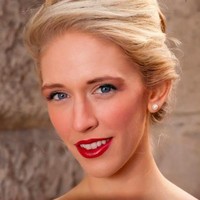
This interview was conducted by Adi Soozin, Best-selling author of Tools of Marketing Titans™, Managing Partner of Heritage Real Estate Fund, creator of Molo9.com.
If you are looking to build your name as an industry titan, we would love to help you. Fill in this application to get started: 9×90.co/apply-now, or start with our emails on bite-sized, high-powered marketing tricks:
Listen to this episode using your favorite app
⚖️ Legal Disclaimer
All opinions expressed by the guests are their own. 9×90™ and its affiliates do not endorse or guarantee any specific outcomes discussed in this episode. This podcast is for informational and entertainment purposes only and does not constitute financial, legal, or investment advice. Listeners should conduct their own due diligence and consult with professional advisors before making any investment or business decisions. Nothing discussed in this episode constitutes an offer to sell, or a solicitation of an offer to buy, any securities. Any such offer or solicitation will be made only through official offering documents and to qualified, accredited investors, in accordance with applicable securities laws. The views expressed by guests are their own and do not necessarily reflect those of the host or 9×90™.
Come on the show
Fill in this application to apply to come on the 9×90™ show: https://9×90.co/apply-now/
Would You Like to Watch Another Episode? Yes, of course you would ⬇️⬇️⬇️⬇️⬇️⬇️⬇️⬇️⬇️⬇️⬇️